
As global water resources become increasingly stressed and environmental discharge regulations continue to tighten, conventional primary and secondary wastewater treatment processes are often no longer sufficient to meet modern water quality requirements. Industries and municipalities are now looking beyond basic treatment, focusing on advanced technologies that can produce higher-quality effluent suitable for reuse or strict discharge standards.
What is Tertiary Treatment of Wastewater?
Tertiary treatment is the advanced stage of wastewater treatment following primary and secondary treatment. It is designed to further remove residual suspended solids, nutrients (nitrogen and phosphorus), dissolved organics, salts, heavy metals, and trace contaminants to meet stringent discharge or water reuse standards.
Tertiary treatment is typically used for:
- Strict emission standards projects.
- Reclaimed water reuse systems.
- Industrial reclaimed water.
- Pre-treatment for ZLD (Zero Liquid Discharge) systems.
Why is Tertiary Treatment Necessary?
As emission regulations become increasingly stringent and water scarcity intensifies, relying solely on conventional primary and secondary treatment often proves insufficient to meet:
- High-standard discharge requirements.
- Industrial or municipal reclaimed water standards.
- Feedwater quality requirements for downstream membrane systems and evaporation systems.
Typical Process Technologies for Tertiary Treatment
Tertiary Treatment, commonly referred to as advanced treatment, primarily aims to further remove residual suspended solids (SS), nutrients (total nitrogen TN, total phosphorus TP), recalcitrant organic matter, and pathogenic microorganisms from wastewater following secondary biological treatment. This process ensures effluent meets higher discharge standards or reuse criteria (such as industrial circulating water or landscape irrigation).

Suspended Solids and Particulate Matter Removal Technologies
Primarily used to remove residual fine suspended solids (SS) and colloids from secondary treated effluent.
Coagulation-Sedimentation: By adding coagulants (such as polyaluminum chloride, PAC) and flocculants, colloids and minute suspended particles in water aggregate into large flocs, which are then separated through sedimentation. This is the most fundamental and commonly used pretreatment step before advanced treatment.
Media Filtration:
- Sand Filtration: Utilizes media like quartz sand to trap suspended solids, representing the most traditional filtration method.
- Multi-Media Filtration: Employs layered filter media of varying densities—such as anthracite, quartz sand, and magnetite—to enhance contaminant holding capacity.
Microfiltration/Ultrafiltration Membrane Technology (MF/UF):
Employing microporous membranes (Microfiltration) or ultrafiltration membranes (Ultrafiltration) for physical sieving, this method highly effectively removes suspended solids, bacteria, and some viruses. It is commonly used as pretreatment for reverse osmosis (RO).
Nutrient (Nitrogen, Phosphorus) Removal Technologies
When secondary treatment fails to achieve adequate nitrogen and phosphorus removal, enhanced treatment is required.
- Chemical Phosphorus Removal: Metal salts (e.g., iron salts, aluminum salts, or lime) are added at the end of the treatment process. These react with orthophosphate in the water to form insoluble precipitates, which are then removed via sedimentation or filtration.
- Denitrifying Deep Bed Filter: Combines physical filtration with biological denitrification. Denitrifying bacteria colonize the filter media. Upon carbon source addition, nitrate nitrogen is reduced to nitrogen gas and vented, while the filter bed retains suspended solids (SS) and precipitates from chemical phosphorus removal.
- Bioaeration Filter: Further degrades ammonia nitrogen (nitrification) or total nitrogen (denitrification) through high-density biofilm on the filter media. Features a compact footprint and high treatment efficiency.
Removal of Refractory Organic Compounds and Trace Contaminants
Removal of color, odor, and trace organic pollutants (such as antibiotics and endocrine disruptors).
- Activated Carbon Adsorption: Utilizes the vast specific surface area and pore structure of activated carbon (GAC or PAC) to adsorb dissolved organic matter, color, and residual chlorine from water.
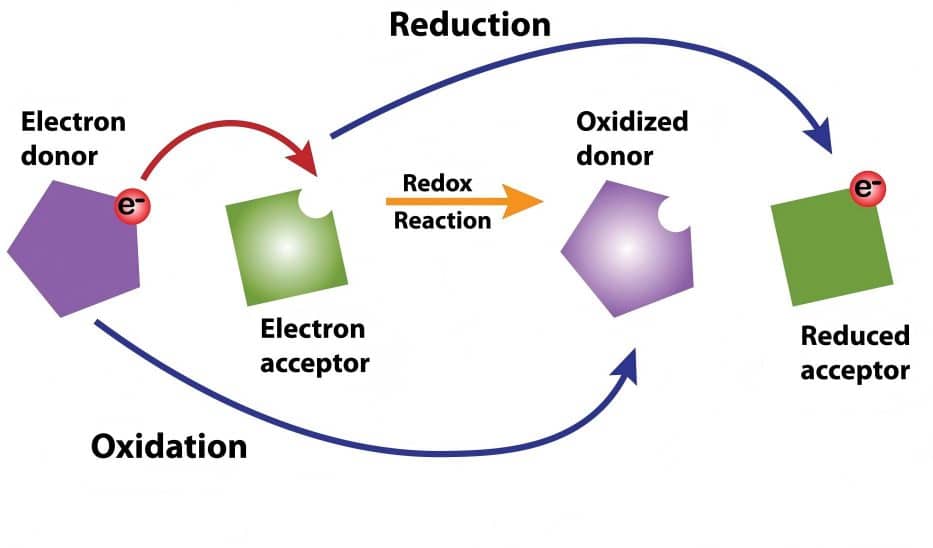
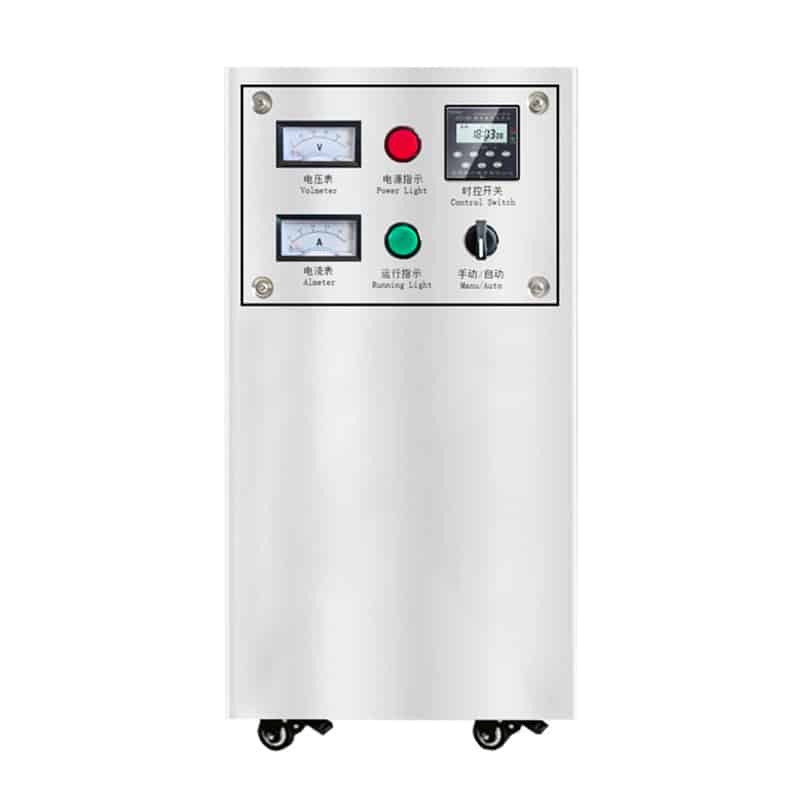
- Ozone Oxidation: Leverages the strong oxidizing power of ozone ($O_3$) to break chemical bonds in large organic molecules, enhancing wastewater biodegradability while providing decolorization and disinfection.
Advanced Oxidation Processes (AOPs):
Dissolved Salt Removal
Primarily used to produce high-quality reclaimed water (e.g., industrial boiler feedwater).
- Reverse Osmosis: Under pressure, water molecules pass through a semipermeable membrane while the vast majority of ions, organic compounds, and microorganisms are retained. This is currently the most mainstream technology for desalination and pure water production.
- Nanofiltration: Positioned between ultrafiltration and reverse osmosis, it exhibits high retention rates for divalent ions and organic compounds with molecular weights between 200-1000. It is commonly used for water softening and removing micropollutants.
Disinfection Technology
As the final line of defense, it eliminates pathogenic microorganisms.
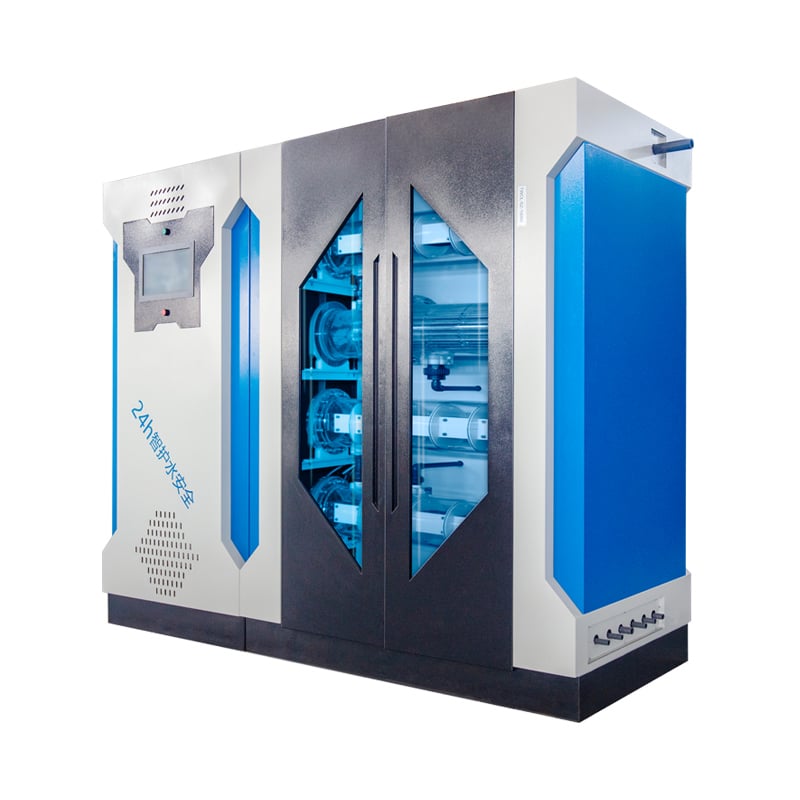
- Ultraviolet (UV) Disinfection: Physically disrupts the DNA structure of bacteria and viruses, leaving no chemical residues.
- Sodium Hypochlorite/Liquid Chlorine Disinfection: A traditional chemical disinfection method with sustained sterilization capability, but requires attention to disinfection byproducts (DBPs).
- Ozone Disinfection: Offers rapid and effective sterilization but lacks sustained disinfection capability.
Typical Application Scenarios for Tertiary Treatment
- Municipal wastewater treatment plant upgrading
- Advanced industrial wastewater treatment
- Reclaimed water reuse systems
- Cooling water makeup
- Boiler makeup water pretreatment
- ZLD system pretreatment
Tertiary Treatment vs Secondary Treatment
| Comparison Aspect | Secondary Treatment | Tertiary Treatment |
| Main Objective | Removal of biodegradable organic matter | Advanced purification & Water reuse |
| COD Removal | High | Higher (Further polishing) |
| N & P Removal | Limited | Enhanced / Highly Controllable |
| Effluent Quality | Meeting discharge standards | Suitable for reuse or Ultra-low discharge |
| Technical Complexity | Medium | High |
Table of Tertiary Treatment vs Secondary Treatment
Conclusion
By utilizing a combination of technologies—including filtration, membrane separation, nutrient removal, adsorption, and advanced oxidation—tertiary treatment significantly elevates effluent quality. This ensures stable and reliable feedwater for water reclamation systems and Zero Liquid Discharge (ZLD) projects.
In modern wastewater treatment projects, selecting reliable equipment and experienced solution providers is essential for ensuring long-term system stability and performance. As a professional manufacturer, KUOSI provides not only clarifiers and related treatment units, but also screw press, filter press, sludge scraper, compact pretreatment plant, dosing system, aeration blower, and SBR decanters to support a wide range of municipal and industrial wastewater applications.
If you would like to learn more about our products, solutions, or technical support capabilities, please feel free to contact us for detailed information and customized project assistance.