
Control the corrosive effects of water on equipment to ensure the long-term, stable operation of the system. Corrosion is essentially a reaction between water and metal that causes materials to gradually dissolve or break down, leading to equipment damage, reduced efficiency, and even safety hazards.
Causes of Corrosion and Risk Thresholds
Corrosion in water systems is typically not caused by a single factor, but rather results from the combined effects of water chemistry, operating conditions, and material combinations.
In other words, even with the same water quality, corrosion behavior can vary significantly depending on the equipment, flow rate, and metal materials involved.
Common causes of corrosion primarily include the following:
Imbalances in pH, Alkalinity, and Dissolved Inorganic Carbon (DIC)
In drinking water systems and distribution networks, the pH, alkalinity, and dissolved inorganic carbon (DIC) of the water directly influence corrosion susceptibility.
If the pH is too low, the water becomes more corrosive; conversely, insufficient alkalinity and DIC can make it difficult to form a stable protective scale layer, leading to increased corrosion and precipitation of metals.
Dissolved Oxygen (DO) and Carbon Dioxide (CO₂)
In boiler systems and steam condensate systems, oxygen and carbon dioxide are very common sources of corrosion.
Dissolved oxygen accelerates the oxidation and corrosion of metals, while CO₂ dissolves in water to form carbonic acid, which further reduces the water’s stability and increases the risk of system corrosion.
This is why, in boiler water treatment, one of the primary objectives of deaeration equipment is to remove these dissolved gases as much as possible.
Chloride Ions and Excessively High Concentration Ratios
In cooling water systems, as the circulation concentration ratio increases, the concentration of chloride ions (Cl⁻) in the water also continues to accumulate.
Excessively high chloride ion levels significantly increase the risk of stress corrosion cracking (SCC) in stainless steel and also make it more susceptible to pitting and localized corrosion.
In some potable water distribution systems, chloride ions are also believed to be associated with the initiation of pitting corrosion on metal surfaces.
Sediment, Low Flow Rates, and Structural Dead Zones
Many severe corrosion problems do not occur where the water flow is strongest, but rather in areas of low flow, regions covered by sediment, and structural dead zones within the equipment.
These locations are more prone to under-deposit corrosion, crevice corrosion, and localized oxygen-deficient environments. Once corrosion begins, it is often more concealed and harder to detect in a timely manner.
Microbial-Induced Corrosion (MIC)
In addition to chemical factors, microorganisms are also a major cause of corrosion in many water systems.
In closed-loop cooling water systems, industrial pipelines, and storage tank systems, microorganisms such as sulfate-reducing bacteria (SRB) and iron bacteria can form biofilms on metal surfaces, thereby inducing or accelerating corrosion. This phenomenon is commonly referred to as microbiologically induced corrosion (MIC).
Consequently, microbial monitoring and biofouling control have become integral components of corrosion management in many industrial maintenance programs.
Why Is Corrosion Control Important?
- Equipment damage, pipe leaks.
- Decreased heat transfer efficiency (scale buildup + corrosion byproducts).
- Water contamination (release of metals such as iron, copper, and lead).
- Significant increase in maintenance costs.
Common Corrosion Control Methods
pH and Alkalinity Adjustment
In drinking water systems and certain industrial water treatment systems, slightly raising the pH and adjusting the alkalinity is a common corrosion control measure.
This method can reduce the solubility of metals such as lead and copper to some extent and help form a more stable passivation layer or protective scale on metal surfaces, thereby slowing the corrosion rate.
Corrosion Inhibitor
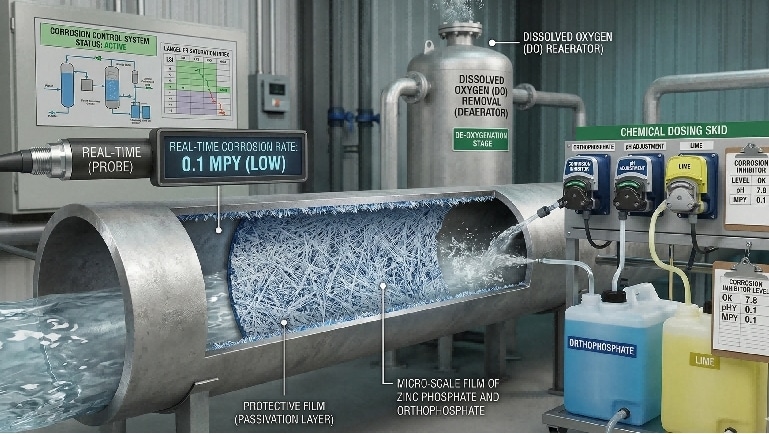
In municipal water supply systems, orthophosphate is the primary means of controlling the leaching of heavy metals such as lead and copper.
Reaction mechanism: Orthophosphate reacts with metal ions to form a phosphate passivation film with extremely low solubility.
Key Variables: The effectiveness of film formation is not an isolated process but is driven by a combination of factors, including dosage concentration, pH conditions, dissolved inorganic carbon (DIC), and the physical properties of existing corrosion scale layers.
| Inhibitor Category | Typical Application Scenarios | Primary Advantages | Major Limitations / Risks |
| Orthophosphate | Potable water networks; Lead and copper leaching control | Forms low-solubility metal phosphate films; Enhances passivation | Sensitive to water chemistry (pH, DIC, existing scale); Requires stable conditions and monitoring |
| Silicate / Orthosilicate | Selective potable water supply; Recirculating water systems | Promotes surface passivation and protective coverage | Limited in high-silica source waters; Effectiveness depends on formulation compatibility |
| Nitrite | Closed-loop systems (Steel/Iron side) | Highly effective for carbon steel; Mature and proven formulation | Requires maintenance of effective residuals; Sensitive to microbiological activity and fluctuations |
| Molybdate | Closed-loop systems; Cooling water formulations | Excellent compatibility with multi-component treatment programs | High cost and strict discharge regulations are key constraints in many regions |
| Azoles (e.g., BTA/TTA) | Copper/Brass heat exchangers; Multi-metal systems | Mature and widely used protection for copper and its alloys | Requires precise residual control; Removal and compliance must be evaluated under specific discharge limits |
| Filming / Neutralizing Amines | Boiler condensate; Steam return lines | Neutralizes carbonic acid; Forms a physical barrier film to isolate corrosive media | Requires strict management of injection points and dosage; Excessive use leads to deposits or process incompatibility |
Table of Corrosion Inhibitor
Dissolved Oxygen Control
In boilers and thermal systems, deaeration is used to remove dissolved and entrained gases, with a focus on oxygen and carbon dioxide, in order to reduce corrosion in feedwater, the boiler body, and the condensate system .
In engineering practice, deaeration equipment is typically installed in conjunction with the dosing of deaerators and/or passivators, and dissolved oxygen (DO) and (when necessary) redox potential are monitored as operational parameters.
Materials/Coatings
When chloride ion levels in water are high or operating conditions are more severe, stainless steel may also be susceptible to pitting corrosion, crevice corrosion, or stress corrosion cracking (SCC); chloride ions in cooling water have been specifically identified as increasing the risk of SCC in stainless steel .
Therefore, corrosion control often requires a combination of “material selection (e.g., 316L, duplex steel, non-metallic linings) + surface treatment/passivation + coating barrier”; in ultrapure water systems, the passivation layer is considered a key protective factor for stainless steel corrosion resistance.
Cathodic Protection
Cathodic protection is a common electrochemical protection method used for assets such as pipelines and storage tanks. It works by converting the surface of the protected metal into the “cathode” of an electrochemical cell, thereby transferring corrosion to a more susceptible metal, or by inducing polarization through an external current.
Chemical-Free Methods
A more accurate engineering term is “reduced chemical use/process intensification”: for example, reducing reliance on chemicals through deoxygenation (a physical process), optimizing flow rates and eliminating dead zones, filtering to reduce particle deposition and the risk of under-deposit corrosion, as well as online cleaning and system containment management.
However, it must be emphasized that standard engineering guidelines state that if non-chemical systems address only deposits without covering corrosion and microbial control, they cannot be claimed to fully replace chemicals.
Recommended Products for Corrosion Control Water Treatment
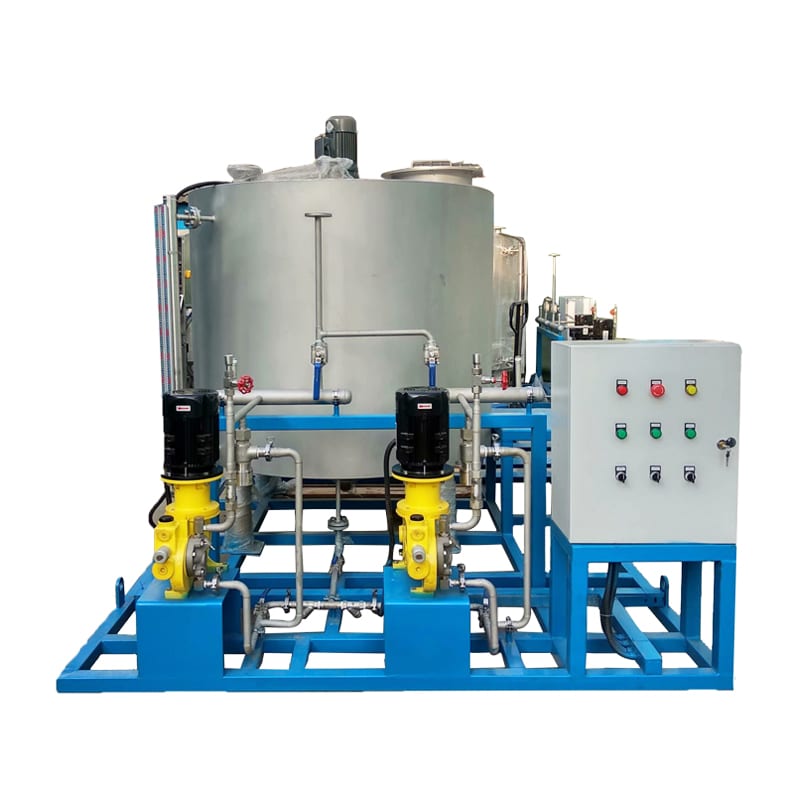
Chemical Dosing System
For corrosion control water treatment, chemical dosing systems are often the first line of defense. They allow operators to precisely inject pH adjusters, corrosion inhibitors, oxidants, and other treatment chemicals, helping stabilize water chemistry and reduce long-term damage to pipelines, tanks, and process equipment.
Online Monitoring / Water Quality Control Instruments
Corrosion control does not rely on chemical dosing alone. Real-time monitoring of pH, ORP, conductivity, and other key water quality indicators is essential for keeping the treatment process within a safe operating window and preventing hidden corrosion risks.
Water Treatment Aeration System
In wastewater treatment systems, aeration can also support corrosion control by reducing hydrogen sulfide, stripping dissolved gases, and improving overall process stability. This is especially important in tanks, equalization basins, and odor-prone process areas.
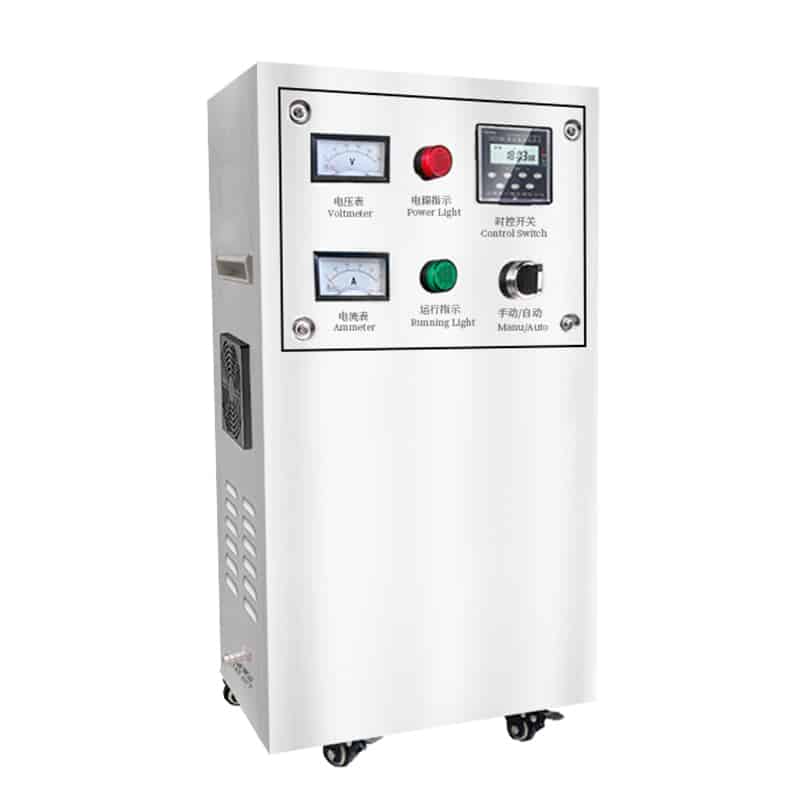
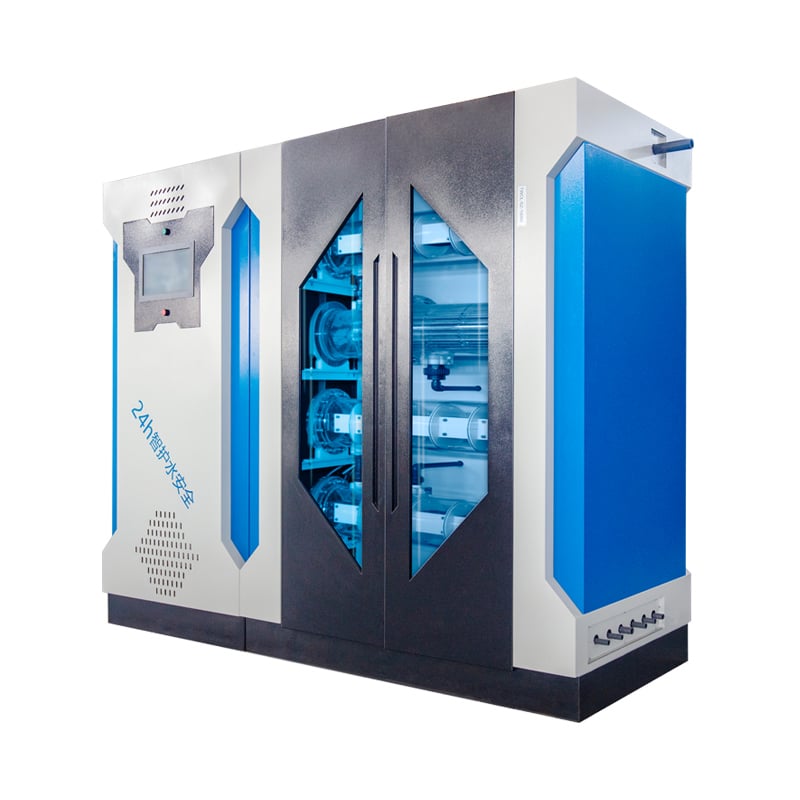
Ozone Generator / Sodium Hypochlorite Generator
Oxidation and disinfection systems can also play an important role in corrosion control, especially in wastewater applications where sulfides, biofilm growth, and microbiologically influenced corrosion (MIC) are common concerns.
Corrosion-Resistant Wastewater Tanks
Storage and buffer tanks are often overlooked in corrosion control planning. Selecting corrosion-resistant tank materials and avoiding stagnant zones can significantly reduce long-term maintenance issues in wastewater treatment systems.
Conclusion
Corrosion control is not as simple as “adding a chemical”; rather, it is a systematic engineering process that encompasses the water chemistry window, corrosion inhibitor and deoxygenation strategies, materials/coatings and cathodic protection, as well as a closed-loop monitoring and maintenance system.
KUOSI clearly states on its official website that it provides chemical dosing, disinfection, and various types of pretreatment and solid-liquid separation equipment, and delivers equipment and solutions for projects worldwide. If you are evaluating a retrofit or new construction project for corrosion control in cooling water, boiler, RO ultrapure water, or drinking water systems, please contact us.