
Wastewater is a term often heard in environmental protection, water treatment and sustainability discussions. But what exactly is wastewater and why does it need to be treated and disposed of in an environmentally friendly way?
Definition of Wastewater
Wastewater is water that has been contaminated or polluted after use, usually as a result of human activity. It can come from a variety of sources, including domestic, industrial, agricultural activities, and even natural phenomena. Wastewater contains soil, oils, chemicals, waste and sometimes pathogens, which, if not properly managed, can pose a hazard to the environment and public health.
There are two main types of wastewater:
- Domestic wastewater: comes from household activities such as bathing, cooking, cleaning and flushing toilets. It contains organic wastes, detergents, grease and sometimes human excreta.
- Industrial wastewater: this wastewater originates from factories and industrial processes and may contain harmful chemicals, heavy metals and toxins. The composition of industrial wastewater varies greatly depending on the industry.
Stormwater runoff: This is the water that flows into the drainage system after rain or snowmelt, often with pollutants brought in from roads, buildings and other urban surfaces.
The Importance of Wastewater Treatment
Wastewater treatment is critical because untreated wastewater can lead to serious environmental and health problems. When wastewater is discharged untreated directly into natural bodies of water, it can lead to water pollution, endanger aquatic life, and contaminate drinking water sources. This can lead to the spread of disease, damage ecosystems, and negatively impact biodiversity.
With proper wastewater treatment, harmful substances can be removed so that the water can be safely returned to the environment or used for other purposes, such as irrigation or even industrial processes.
Impact of Wastewater Pollutants
- Water Environment: Triggers eutrophication and algal blooms, reduces dissolved oxygen levels, causes water discoloration and foul odors, and deteriorates water quality.
- Ecosystem: Mass mortality of fish and shrimp, habitat degradation, and reduced biodiversity; bioaccumulation of heavy metals and persistent pollutants.
- Human Health: Transmission of pathogens causing disease; Toxic substances (heavy metals, drug residues, PFAS, etc.) cause acute/chronic toxicity and endocrine disruption, increasing antimicrobial resistance risks.
- Drinking Water Safety: Impacted water intakes, increased odor/color, heightened risks from disinfection byproducts, and increased treatment difficulty and costs.
- Infrastructure: Hydrogen sulfide corrodes concrete and metal; fats, oils, and grease (FOG) cause scaling and clogging in pipelines; equipment scaling and sensor interference.
- Economy and Society: Rising operational costs for water and wastewater treatment, damage to fisheries/tourism, increased corporate compliance and penalty risks.
- Greenhouse Gases and Odors: Anaerobic decomposition produces methane, nitrous oxide, and malodorous gases, amplifying greenhouse effects and odor pollution.
- Soil and Agriculture: Improper irrigation reuse leads to salt accumulation and heavy metal entry into soil and agricultural product chains.
Wastewater Treatment Process
Primary Treatment
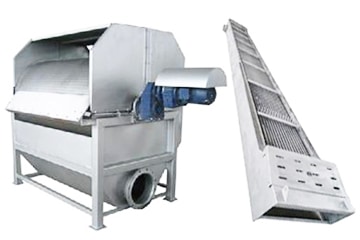
First, wastewater passes through wastewater screens to remove larger solid debris such as plastic and paper scraps. Next, it enters a grit chamber to remove heavy particles like sand and gravel, preventing equipment damage and pipe blockages. Subsequently, the wastewater flows into a primary clarifier where suspended solids settle by gravity, forming sludge, while floating debris is skimmed off as scum. Flocculants may also be added during this stage to enhance sedimentation.Wastewater screens help clean out water by filtering it of large particulate impurities such as plastics, paper and other solid waste. Once the wastewater passes through the screen, it moves on to the next stage of treatment.
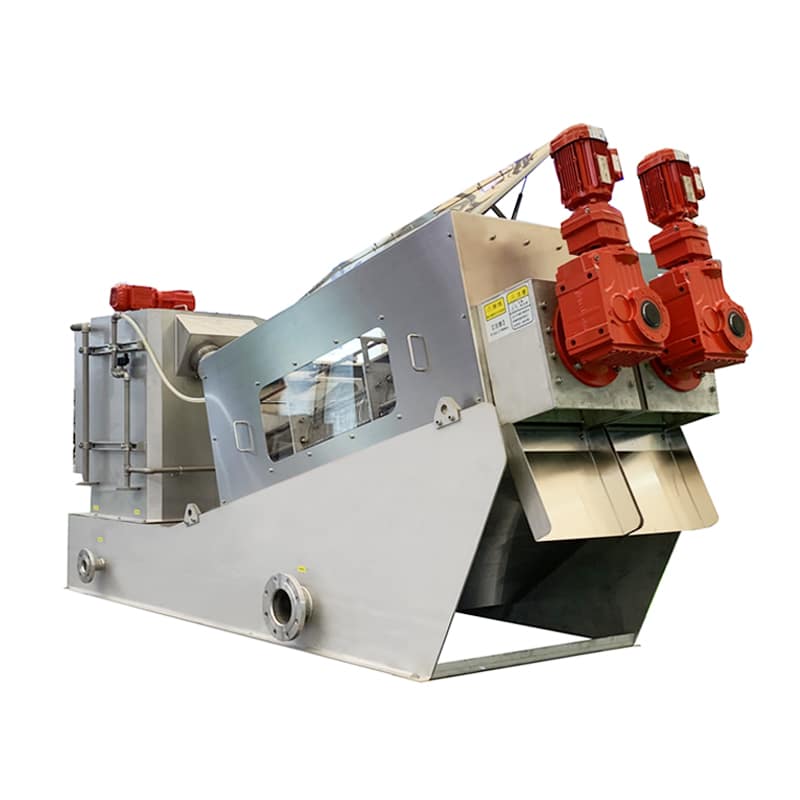
In addition, the screw press, as an efficient solid-liquid separation equipment, also plays a role in this stage. The Stacked Screw Machine compresses and dewater the suspended matter in the water by screw rotation, which is especially suitable for treating sediment and solid particles in large quantities of industrial wastewater. After initial screening, the wastewater enters biological treatment or deeper physico-chemical treatment.
Secondary Treatment
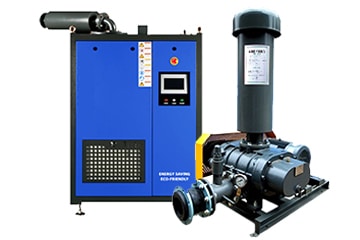
Into the secondary treatment stage, the wastewater still contains a large number of organic matter, mainly from industrial production and domestic wastewater. At this time, the microbial degradation process becomes critical, and the aeration blower plays an important role in this process. Aeration blowers inject air into the wastewater to provide oxygen and promote the growth and metabolism of microorganisms. These microorganisms convert the pollutants in the water into harmless substances by degrading the organic substances.
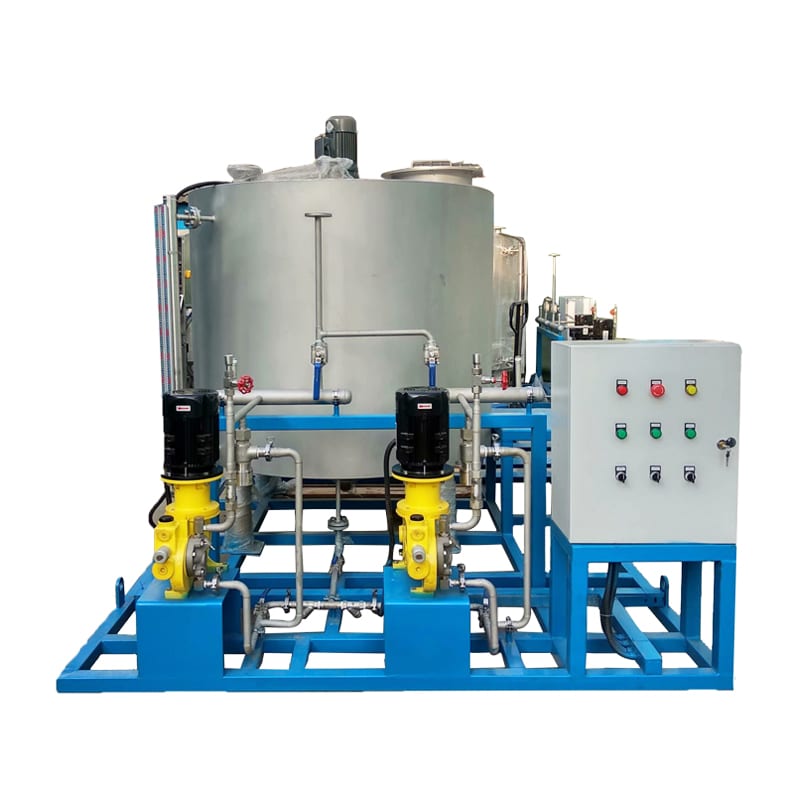
To further enhance the treatment of wastewater, in some cases chemicals are added. The dosing system precisely controls the delivery of chemicals to help certain pollutants in the water, such as phosphorus and nitrogen, to chemically precipitate or decompose, thus better controlling the level of pollution in the wastewater.
Tertiary Treatment
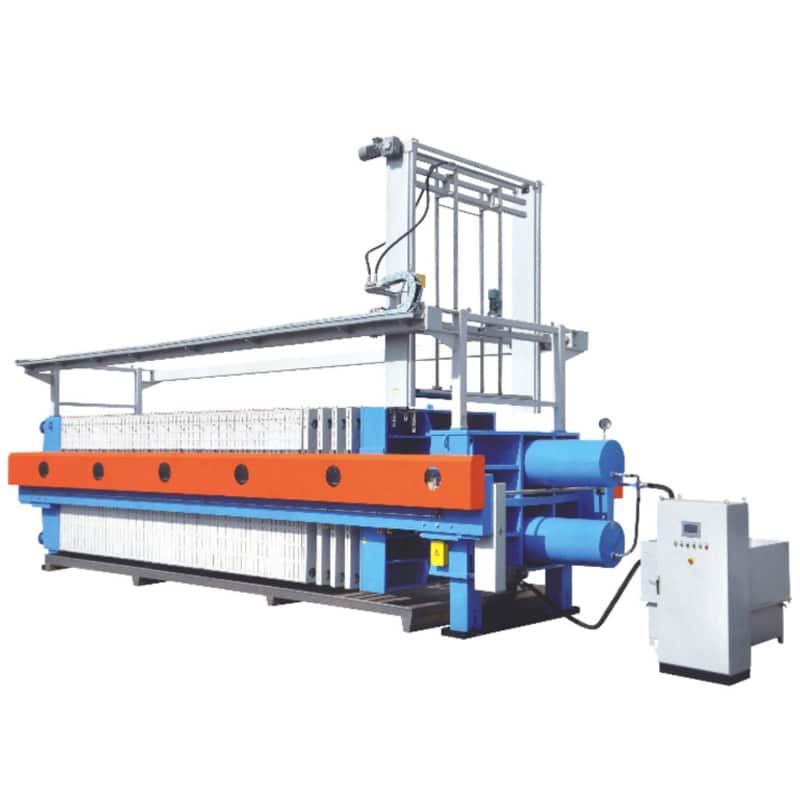
In the tertiary treatment stage, the goal is to remove fine particles, dissolved pollutants and pathogens from the wastewater to ensure that the effluent quality meets discharge or reuse standards. Typically, a filter press is used in this stage, which further separates the residual suspended solids from the wastewater through a powerful filter press. Filter presses are able to efficiently press out solids from the water, reducing the pollution load in the water.
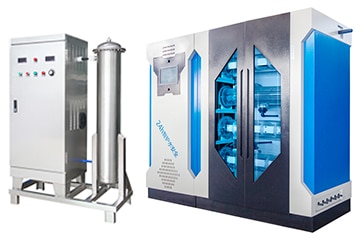
Additionally, to ensure that the wastewater is safe and pathogen-free, disinfection systems are often used at this stage. Disinfection systems often use ultraviolet (UV) disinfection or chlorination to kill bacteria and viruses in the wastewater to ensure that the effluent meets environmental requirements and to avoid the spread of pathogens.
Impact of Wastewater on the Environment
Improper disposal of wastewater can lead to several environmental problems such as:
- Water pollution: Untreated wastewater can pollute rivers, lakes and oceans, endangering aquatic life and making the water unfit for human use.
- Nutrient pollution: Excessive nutrients such as nitrogen and phosphorus in wastewater can lead to eutrophication, which in turn can lead to algal blooms and hypoxia in water bodies.
- Public health risk: Pathogens in untreated wastewater can cause disease, especially if drinking water sources are contaminated.
Summary
In conclusion, wastewater is a by-product of human activity that needs to be properly managed to protect the environment and public health. Through the use of advanced treatment methods and sustainable practices, wastewater can be purified and recycled into a valuable resource while reducing its impact on the planet. Understanding the importance of wastewater and its treatment is more critical than ever as we face the growing challenges of water scarcity and pollution.
KUOSI offers the above equipment as well as DAF systems, sludge conveyors, grit removal equipment, compactors, scrapers and SBR decanters, please contact us if you need more information.