
In most people’s understanding, wastewater treated through biological processes (secondary treatment) is already sufficiently clean. However, if you want this water to be reused in boilers, cooling towers, or even directly as landscape irrigation, traditional methods fall far short. Tertiary treatment bridges the gap between effluent from biological processes and reclaimed water standards. It goes beyond simple filtration, delivering precision targeting against micron-level impurities, dissolved salts, and stubborn contaminants.
What Is Tertiary Sewage Treatment?
Tertiary sewage treatment (also called advanced wastewater treatment) is the third and final stage of the wastewater treatment process. It comes after primary treatment (removal of large solids) and secondary treatment (biological removal of organic matter).
Its main purpose is to further improve effluent quality by removing remaining pollutants such as nutrients, fine suspended solids, pathogens, and trace contaminants—so that the treated water can meet strict discharge standards or be reused.
Why Is Tertiary Treatment Needed?
After secondary treatment, wastewater may still contain:
- Nitrogen and phosphorus
- Residual suspended solids
- Bacteria and viruses
- Trace organic pollutants
- Dissolved salts (in some cases)
How is tertiary wastewater treatment carried out?
After secondary treatment, most organic matter in the wastewater has been removed, but residual suspended solids (SS), total nitrogen (TN), total phosphorus (TP), pathogenic microorganisms, trace organic pollutants, color, and odor may still be present.
Filtration
Used to remove residual fine particles.
Common methods:
- Sand filtration/multi-media filtration: A classic physical barrier.
- Membrane filtration (e.g., ultrafiltration UF): Directly blocks bacteria and colloids using membrane technology.
- DAF (dissolved air flotation): Especially when treating oily or light suspended solids, DAF serves as the ideal pre-treatment partner.
Phosphorus Removal
If discharge standards impose stricter requirements for nitrogen and phosphorus, advanced phosphorus removal or denitrification units will be added. This type of treatment primarily targets the control of eutrophication risks in water bodies.
Common Methods:
- Chemical precipitation using iron or aluminum salts
- Deep sedimentation or filtration
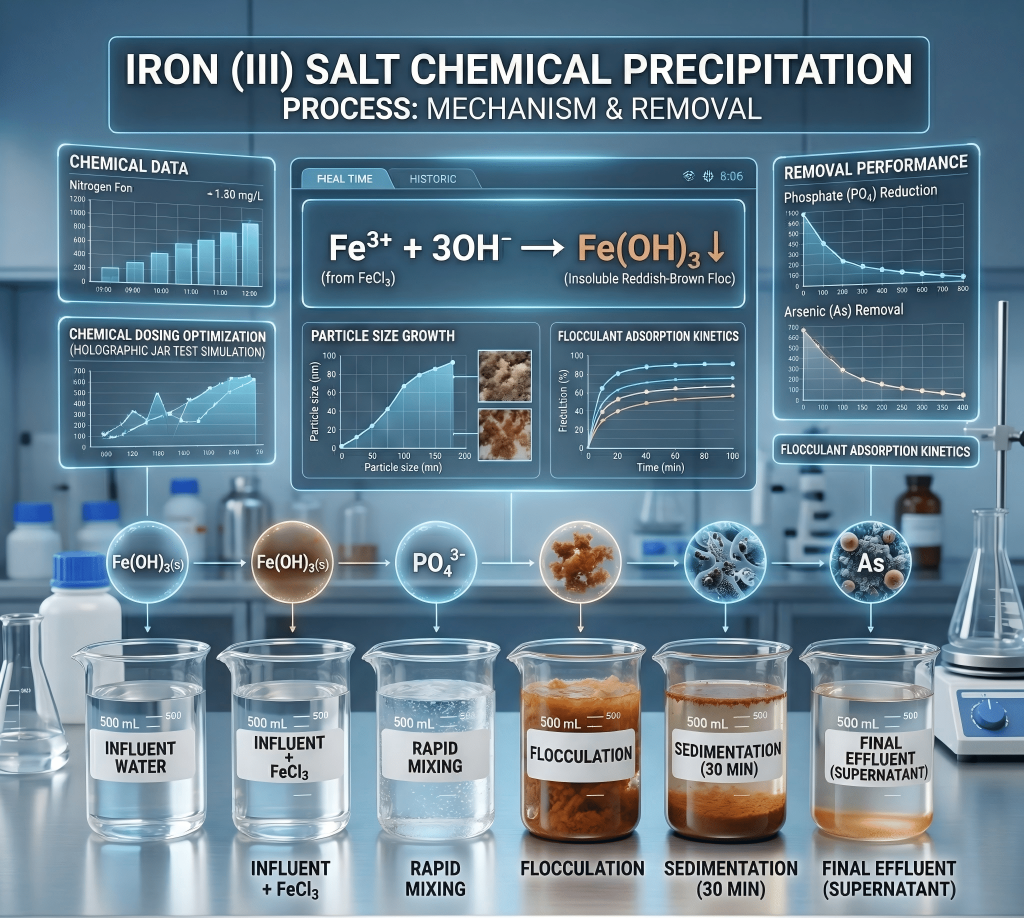
Advanced Nitrogen Removal
When nitrogen discharge standards are stringent, the following may be added:
- Denitrification Filter
- Advanced Biological Filter
Disinfection
Effluent typically requires disinfection treatment. Methods such as ultraviolet light, chlorine, or ozone are employed to eliminate pathogenic microorganisms, ensuring the effluent is safe before discharge into natural water bodies or reuse systems.
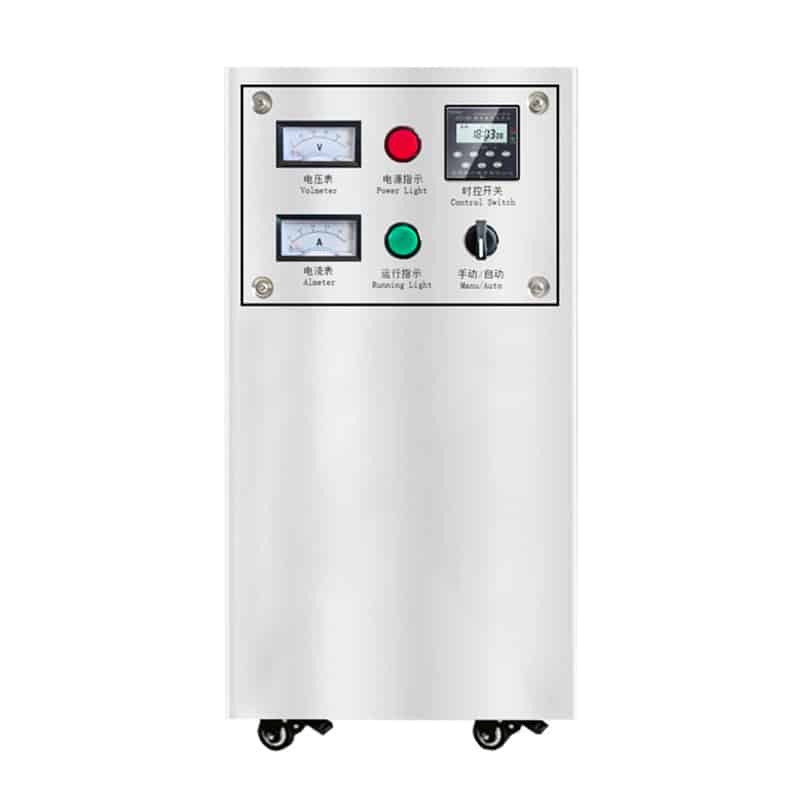
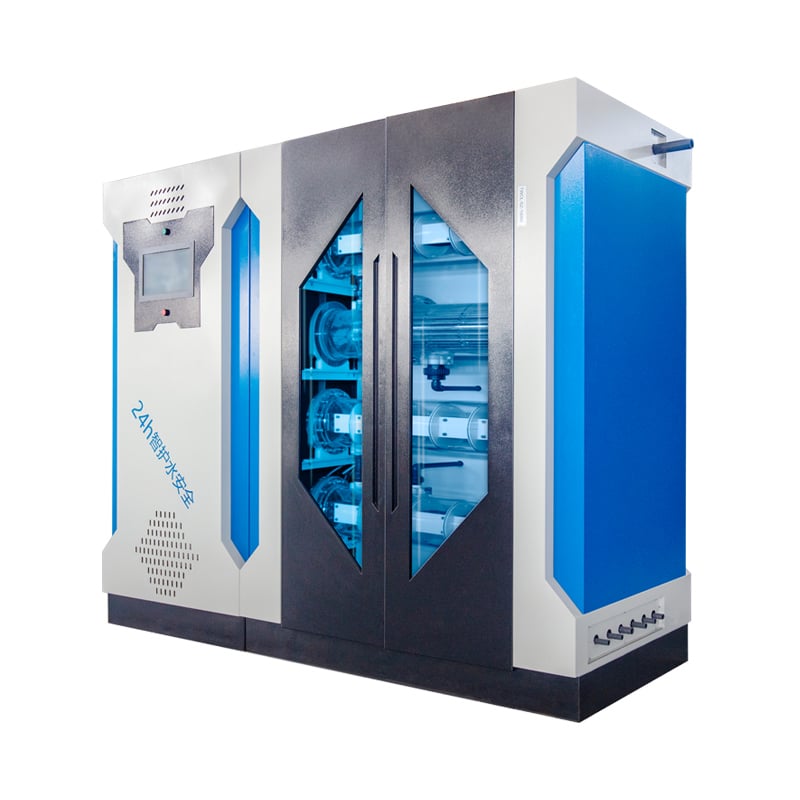
In water reuse or high-standard discharge projects, advanced treatment technologies like activated carbon adsorption, reverse osmosis, or advanced oxidation processes may also be incorporated to remove trace organic pollutants or dissolved salts.
Disinfection Process and Residual Chlorine Attack on Membranes
Tertiary treatment typically includes disinfection (sodium hypochlorite or ultraviolet light).
Professional Risk: If sodium hypochlorite is used for disinfection, residual chlorine will strongly oxidize and corrode reverse osmosis (RO) membranes, causing irreversible damage.
Technical Countermeasure: An ORP meter must be installed before the RO inlet to control the sodium bisulfite dosing pump, neutralizing residual chlorine.
Quick Reference Table for Common Faults in Tertiary Treatment
| Problem | Possible Cause | Optimization / Corrective Action |
|---|---|---|
| Frequent UF membrane fouling | Inefficient sludge removal in upstream DAF; sludge carryover from bottom | Optimize DAF skimming frequency and control sludge blanket thickness below 8 cm |
| Increased RO permeate conductivity | Membrane oxidation leading to reduced salt rejection | Check for residual chlorine in upstream process and verify dechlorination system performance |
| Decreased denitrification filter efficiency | Insufficient carbon source or improper C/N ratio | Precisely adjust methanol or sodium acetate dosing |
| Effluent Total Phosphorus (TP) exceeding limits | Poor binding between chemical phosphorus removal agents and suspended solids | Improve mixing intensity to ensure formation of dense flocs |
Common Faults in Tertiary Treatment
Polymer Carryover in Membrane Systems
This is the most hidden issue in tertiary treatment. If upstream processes (such as DAF or sedimentation tanks) excessively dose PAM (polyacrylamide) to achieve clear effluent, residual high-molecular-weight flocculants will carry over into downstream ultrafiltration (UF) or reverse osmosis (RO) systems.
- Consequences: PAM acts like “glue,” permanently adhering to membrane surfaces. This causes a precipitous drop in membrane flux, rendering conventional chemical cleaning (CIP) largely ineffective.
- Solution: Switch to low-molecular-weight flocculants or implement online charge monitoring to ensure complete consumption of chemicals in upstream stages.
Conclusion
Tertiary treatment is no longer an “optional course” for wastewater treatment plants, but a “required course” for enterprises to achieve green transformation and address water scarcity. Investing in advanced treatment systems is fundamentally an investment in the long-term viability of your business. When effluent ceases to be mere ‘wastewater’ and becomes a stable “secondary water source,” environmental protection transforms from a cost into a productivity driver.
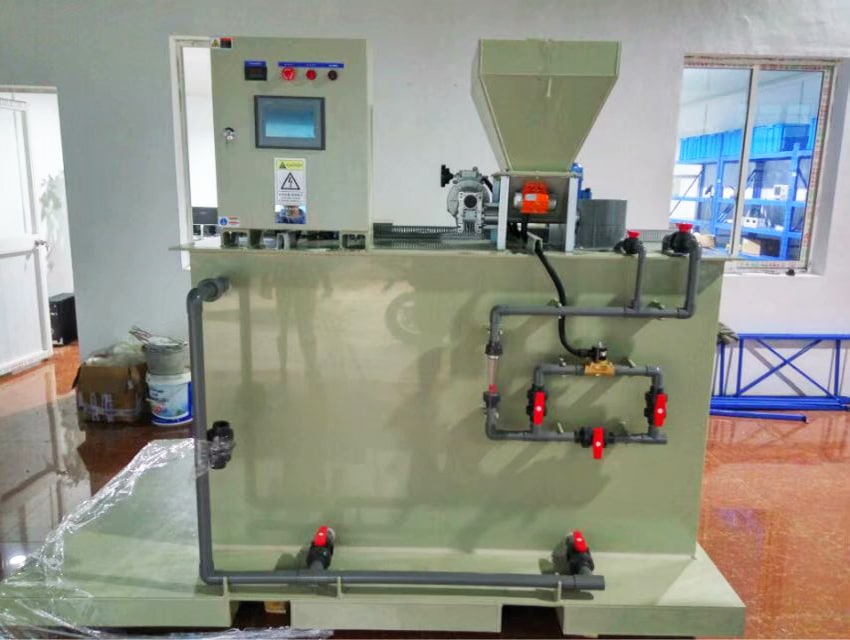
KUOSI provides a comprehensive range of wastewater treatment equipment, including filter presses and screw presses for efficient sludge dewatering. We also supply sludge dryer, coarse and fine screens, roots blowers, dosing systems, grit classifiers, belt filter presses, and other essential wastewater treatment solutions.
With extensive industry experience, KUOSI delivers reliable equipment and integrated system solutions tailored to various wastewater treatment applications.