
Phosphate removal is an important goal in modern wastewater treatment. Excess phosphorus released into rivers, lakes, or coastal waters can cause eutrophication, leading to excessive algae growth and damage to aquatic ecosystems. Therefore, wastewater treatment plants must reduce phosphorus levels to meet environmental regulations and protect water quality.
Sources of Phosphate in Wastewater
Phosphorus in wastewater mainly originates from several common sources. Domestic wastewater often contains phosphates from detergents, food waste, and human waste. Industrial wastewater may contain phosphorus from sectors such as food processing, fertilizer production, chemical manufacturing, and pharmaceutical industries. In addition, agricultural runoff carrying fertilizers can introduce significant amounts of phosphorus into surface water systems that eventually enter wastewater treatment facilities.
Why Phosphate Removal Is Important?
Phosphorus is an essential nutrient for plant growth, but excessive concentrations in water bodies can create serious environmental problems. When large amounts of phosphorus enter lakes or rivers, they promote rapid algae growth, leading to harmful algal blooms. As algae die and decompose, oxygen levels in the water decrease, which can cause fish kills and ecosystem damage.
For this reason, wastewater treatment plants must implement reliable processes to control and remove phosphorus before treated water is discharged into the environment.
How to Remove Phosphates from Wastewater?
Removing phosphates from wastewater is essential for preventing eutrophication, a process that leads to excessive algae growth and severe ecological damage in rivers, lakes, and coastal waters. Wastewater treatment plants typically use two main methods to remove phosphorus: biological phosphorus removal and chemical phosphorus removal. In many modern treatment systems, these two methods are combined to achieve higher phosphorus removal efficiency.
Biological Phosphorus Removal (EBPR)
Biological phosphorus removal, also known as Enhanced Biological Phosphorus Removal (EBPR), relies on specialized microorganisms called polyphosphate-accumulating organisms (PAOs). These microorganisms absorb phosphorus from wastewater and store it within their cells as polyphosphate.
The process requires alternating anaerobic and aerobic conditions. In the anaerobic stage, PAOs release phosphorus, while in the aerobic stage they absorb even larger amounts of phosphorus from the water. The phosphorus is ultimately removed from the system when excess sludge containing these microorganisms is discharged.

Equipment Used in Biological Phosphorus Removal:
- Aeration blowers – supply oxygen to support microbial growth in the aeration tank
- Aeration tanks – where microorganisms absorb phosphorus
- Secondary clarifiers / sludge scrapers – separate treated water from activated sludge
- Sludge dewatering machines – remove phosphorus-rich sludge from the system
- Sludge dryers – Paddle dryer reduce sludge volume for disposal or reuse
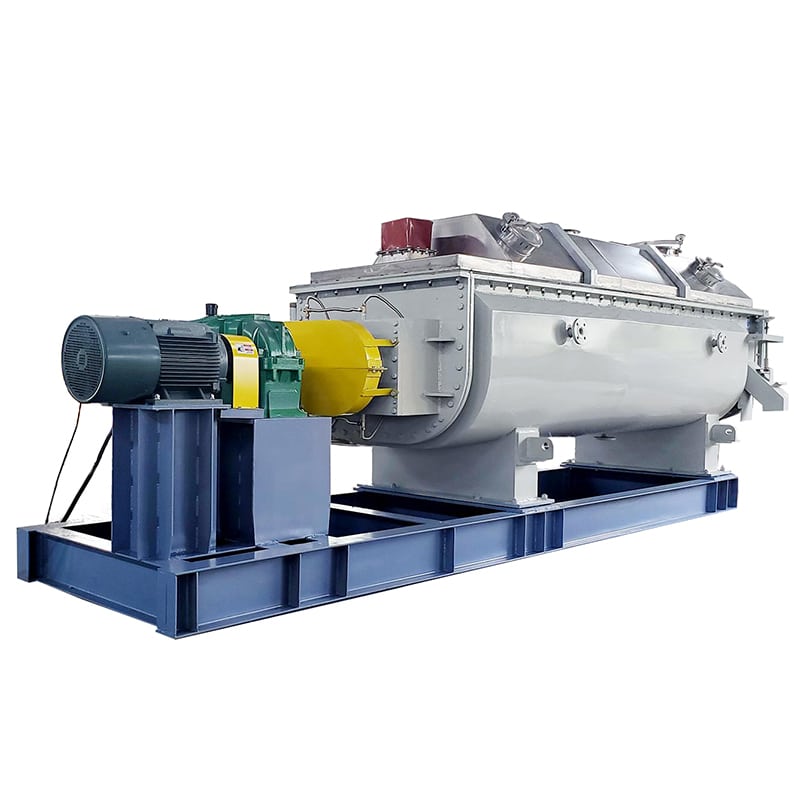
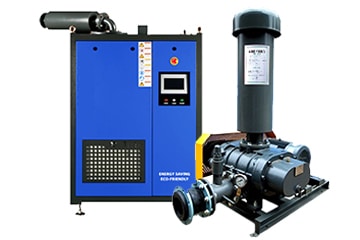
These systems rely heavily on stable biological conditions and proper sludge management to maintain efficient phosphorus removal.
Chemical Phosphorus Removal
Chemical phosphorus removal is one of the most widely used and reliable methods in wastewater treatment plants. In this process, metal salts such as aluminum salts (PAC or alum) or iron salts (ferric chloride or ferrous sulfate) are added to wastewater. These chemicals react with phosphate ions to form insoluble compounds that can be removed by sedimentation or flotation.
The chemical reaction converts dissolved phosphorus into solid particles, which can then be removed through solid-liquid separation processes.

Equipment Used in Chemical Phosphorus Removal:
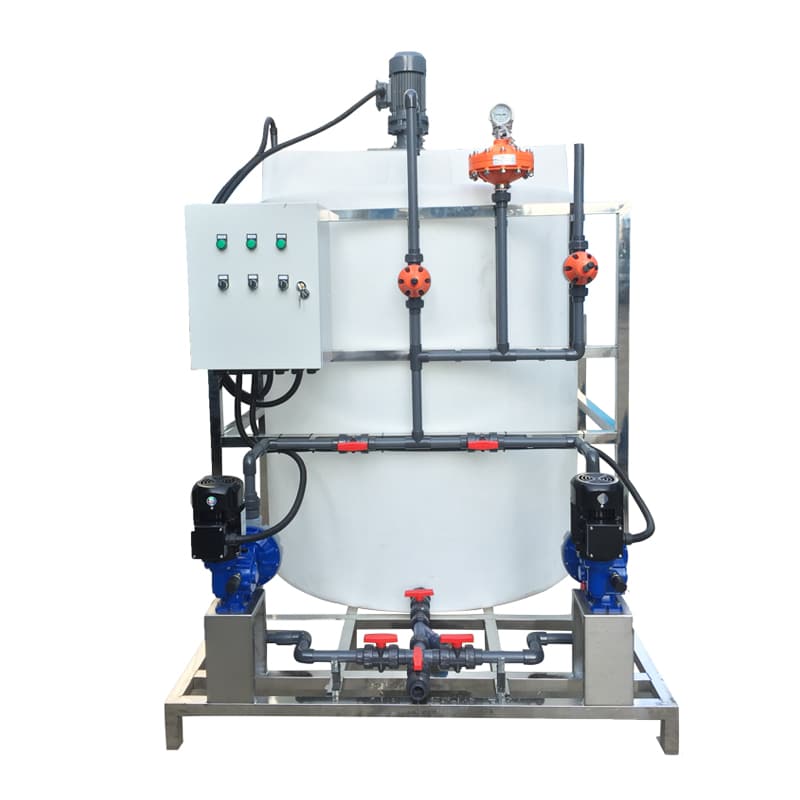
- Chemical dosing systems – accurately inject coagulants such as PAC or ferric chloride
- Mixing tanks or flocculation basins – allow phosphate to react and form flocs
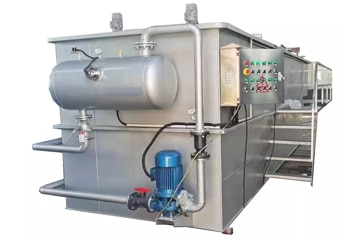
- Dissolved Air Flotation (DAF) systems – remove phosphorus-containing flocs from wastewater
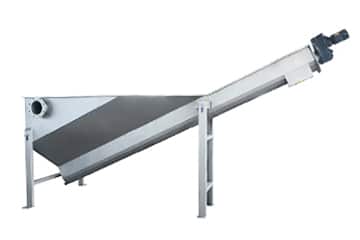
- c’c’c – remove large solids before treatment
- Grit removal equipment – prevent sand and heavy particles from entering the process
- Sludge dewatering machines – reduce the volume of phosphorus-rich sludge
Conclusion
Phosphate removal is a critical step in wastewater treatment to protect aquatic ecosystems and meet environmental discharge standards.
In practical wastewater treatment systems, reliable operation also depends on suitable equipment. KUOSI offers a comprehensive range of wastewater treatment solutions designed to support efficient phosphorus removal, including chemical dosing systems, dissolved air flotation units, wastewater screening equipment, aeration blowers, sludge scrapers, and sludge dewatering systems. These technologies help optimize solid-liquid separation, enhance sludge treatment efficiency, and ensure stable treatment performance. Contact us to customize a solution for your needs.