
Surface water pollution is one of the most urgent environmental issues worldwide. Rivers, lakes, reservoirs, and coastal waters are increasingly affected by industrial discharges, municipal wastewater, agricultural runoff, and urban stormwater, placing growing pressure on water quality.
Because surface water pollution spreads quickly and directly affects ecosystems, drinking water sources, and human health, understanding its causes and impacts is essential for protecting water resources and achieving sustainable water management.
What is Surface Water Pollution?
Surface water pollution refers to the phenomenon where pollutants discharged from human activities enter rivers, lakes, reservoirs, or oceans—water bodies exposed above ground—resulting in degraded water quality and loss of their original functions.
The Three Major Forms of Pollutants
- Physical pollution: Such as sediment, floating debris, and “thermal pollution” (industrial cooling water discharge) that alters water temperature.
- Chemical pollution: This is the most critical component. It includes organic matter (causing foul odors), nutrients (nitrogen and phosphorus, leading to excessive algae growth), heavy metals (toxic substances like lead and mercury), and emerging pollutants (such as antibiotics and microplastics).
- Biological pollution: Primarily refers to pathogenic bacteria, viruses, and parasites introduced through domestic sewage.
Types of Surface Water Pollution
Organic Pollution
Main Sources:
- Domestic wastewater.
- Industrial effluents from food processing, paper making, and pharmaceuticals.
Characteristics:
- Increased COD and BOD.
- Depletion of dissolved oxygen in water.
Impacts:
- Black and odorous water bodies.
- Fish kills and ecological imbalance.
Nutrient Pollution
Main Sources:
- Agricultural runoff (fertilizers, livestock waste).
- Nitrogen- and phosphorus-rich municipal wastewater.
Characteristics:
- Elevated nitrogen and phosphorus levels.
- Excessive algal growth.
Impacts:
- Eutrophication.
- Algal blooms and red tides.
Heavy Metal Pollution
Main Sources:
- Mining and smelting.
- Electroplating, chemical, and electronics industries.
Characteristics:
- Non-biodegradable.
- Bioaccumulative.
Impacts:
- Long-term toxicity.
- Risks to human health and ecosystems.
Toxic Chemical Pollution
Main Sources:
- Chemical manufacturing.
- Pesticides and insecticides.
- Industrial spills and accidents.
Characteristics:
- Highly toxic.
- Harmful even at low concentrations.
Impacts:
- Toxic effects on aquatic organisms.
- Threats to drinking water safety.
Microbial Pollution
Main Sources:
- Untreated or poorly treated municipal wastewater.
- Animal farming wastewater.
Characteristics:
- High levels of bacteria, viruses, and parasites
Impacts:
- Waterborne diseases.
- Public health risks.
Suspended Solids and Sediment Pollution
Main Sources:
- Construction activities.
- Soil erosion.
- Mining operations.
Characteristics:
- Increased turbidity.
- Reduced light penetration.
Impacts:
- Reduced photosynthesis of aquatic plants.
- Habitat degradation.
Contaminants of Emerging Concern (CECs)
Main Sources:
- Pharmaceuticals and personal care products (PPCPs).
- Microplastics.
- Per- and polyfluoroalkyl substances (PFAS).
Characteristics:
- Low concentrations but continuous discharge.
- Difficult to remove using conventional treatment.
Impacts:
- Long-term ecological risks.
- Potential human health impacts.
Surface Water Pollution Treatment Equipment
Effective surface water pollution control requires more than a single treatment technology. In real-world river, lake, and reservoir restoration projects, engineers typically combine
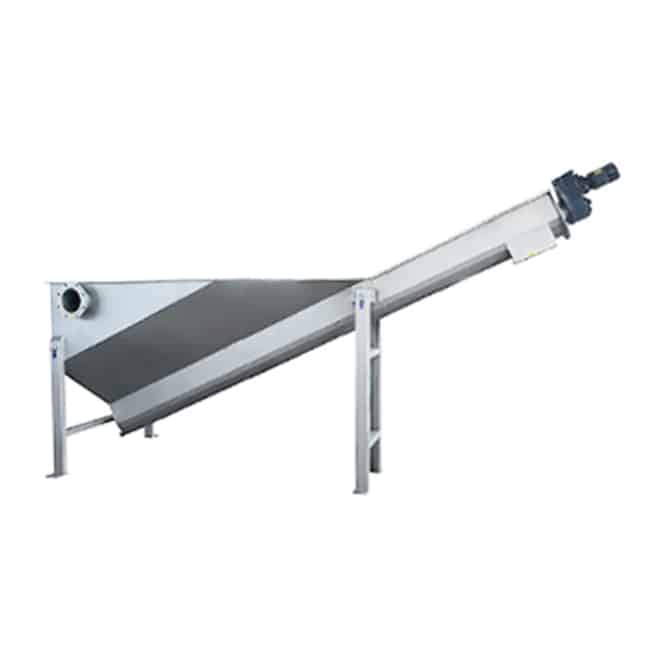
1. Pretreatment and Solid–Liquid Separation Equipment
Pretreatment is the first and most important step in surface water treatment, especially for rivers and lakes with high turbidity, high suspended solids, or strong seasonal runoff impacts.
Typical Equipment Includes:
Bar Screens / Trash Racks
Used to remove floating debris such as leaves, plastics, and large waste materials.
Grit Chambers / Hydrocyclones
Grit chambers remove sand and heavy particles to protect downstream pumps and treatment equipment.
Clarifiers / Sedimentation Tanks
Clarifiers use gravity settling to remove suspended solids and flocs.
Lamella Clarifiers
Provide high settling efficiency with a compact footprint, making them suitable for space-limited installations.
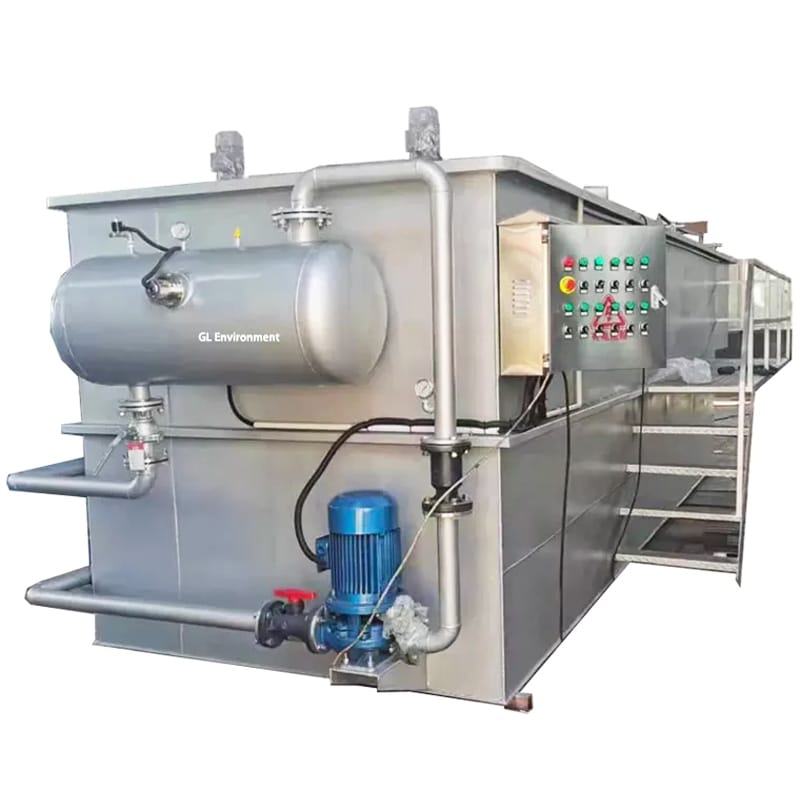
Dissolved Air Flotation (DAF)
Particularly effective for removing light suspended solids, algae, and oils. Widely used in algae bloom control and low-density particle removal.
Filtration Systems (Sand Filters, Multimedia Filters, Micro Screens)
Provide polishing treatment to further reduce turbidity and fine particles before advanced treatment stages.
2. Coagulation and Phosphorus Removal Systems
These systems are essential when total phosphorus levels are high and eutrophication risks are present.
Main Equipment Includes:
Chemical Dosing Systems
Used for adding coagulants such as PAC, PFS, iron salts, or aluminum salts.
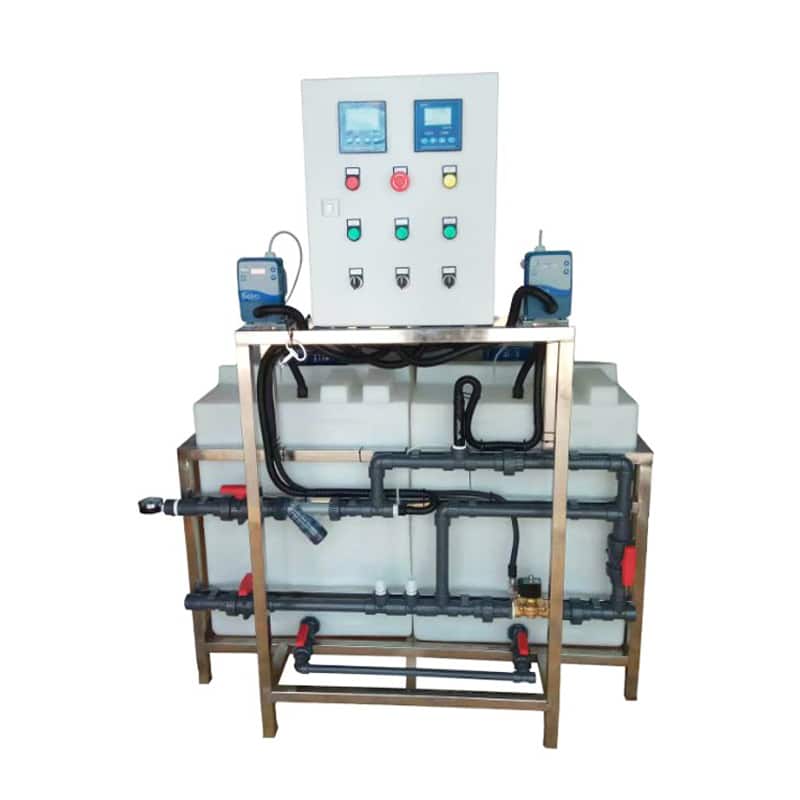
Key Components:
- Metering pumps
- Chemical storage tanks
- Mixers
- Static mixers
Flocculation Tanks / Flocculators
Promote formation of settleable or floatable flocs.
Chemical Phosphorus Removal Clarifiers
Remove phosphorus through chemical precipitation and settling.
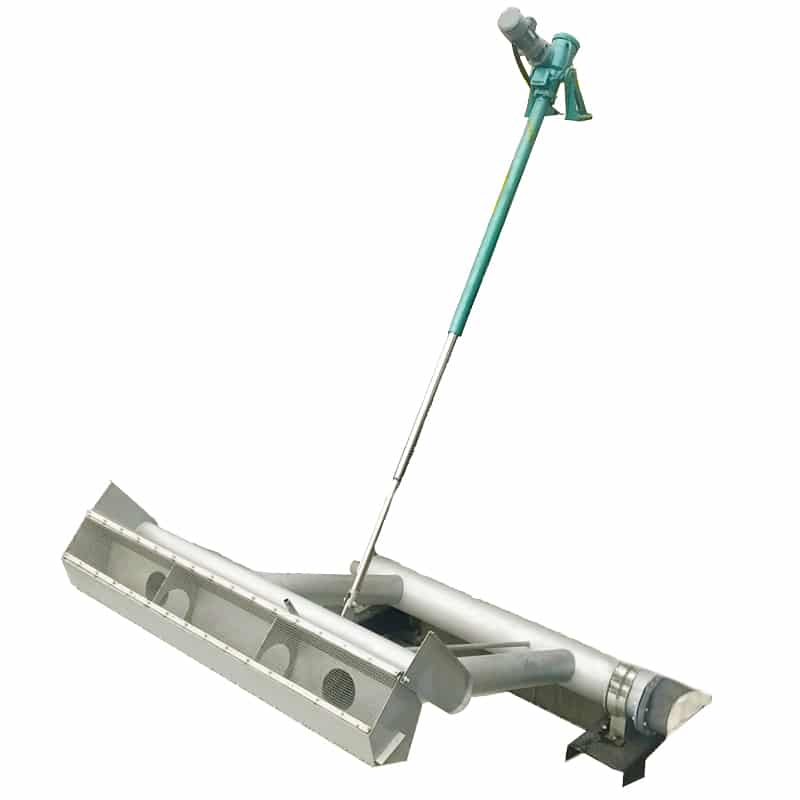
Sludge Collection Systems
Include sludge scrapers, sludge pumps, and sludge thickening or dewatering systems.
3. Nitrogen Pollution Control Equipmen
In surface water projects, nitrogen removal is typically applied to intercepted tributaries or discharge outlets, rather than treating entire rivers biologically.
Common Equipment Includes:
Package Biological Treatment Units
Often used for intercepted inflows.
Typical Technologies:
- MBBR
- SBR
- Small-scale A/O systems
Denitrification Filters
Highly effective for total nitrogen reduction and often used as tertiary treatment.
Aeration Systems
Improve dissolved oxygen and suppress black-odor conditions.
Common Types:
- Surface aerators
- Fine bubble diffusers
- Jet aeration systems
- Submersible aerators
4. Algae and Odor Control Equipment
These systems are critical in lakes, reservoirs, and drinking water intake protection zones.
Typical Equipment Includes:
DAF Systems
Remove algae and light suspended solids.
PAC Powder Activated Carbon Dosing Systems
Remove algae toxins and odor compounds such as MIB and geosmin.
GAC Granular Activated Carbon Filters
Remove trace organics and micro-contaminants including some CECs.
Ozone Generation Systems
Used for color removal, odor control, and partial micro-pollutant oxidation.
UV Disinfection Systems
Used for microbial control in intake protection or reuse water applications.
5. Micropollutant and Emerging Contaminant (CEC) Control Equipment
These contaminants are difficult to detect but critical to control.
Common Treatment Equipment:
Activated Carbon Adsorption (PAC/GAC)
Currently the most practical and widely used technology.
Advanced Oxidation Processes (AOPs)
Including:
- Ozone
- UV/H₂O₂
- Ozone/H₂O₂
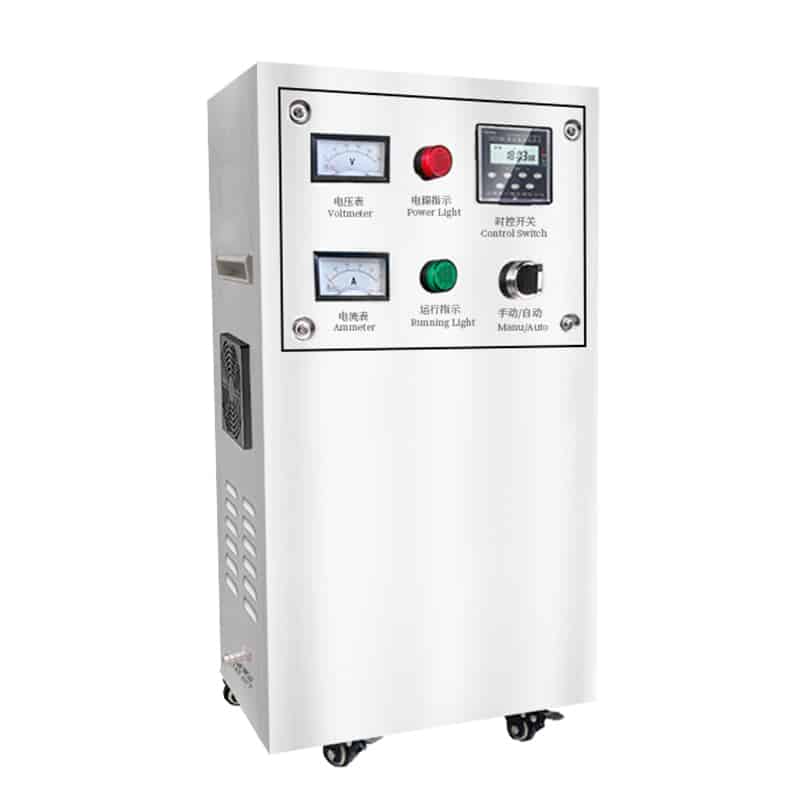
These are effective for degrading refractory organic contaminants.
Membrane Systems (UF/NF/RO)
Used for high-quality water reuse or drinking water source protection.
Note: NF and RO generate concentrate streams that require further treatment or disposal.
For PFAS removal, engineering practice typically relies on:
- Activated carbon or resin adsorption
- Membrane separation
AOP alone is often not cost-effective for PFAS destruction.
6. Sludge and Solid Waste Handling Equipment
Often underestimated, sludge handling significantly affects long-term operational cost.
Typical Equipment Includes:
Scrapers and Skimmers
For sludge and floating scum removal.
Sludge Pumps
For sludge transfer.
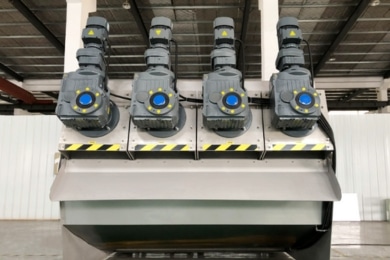
Sludge Thickeners
Reduce sludge volume before dewatering.
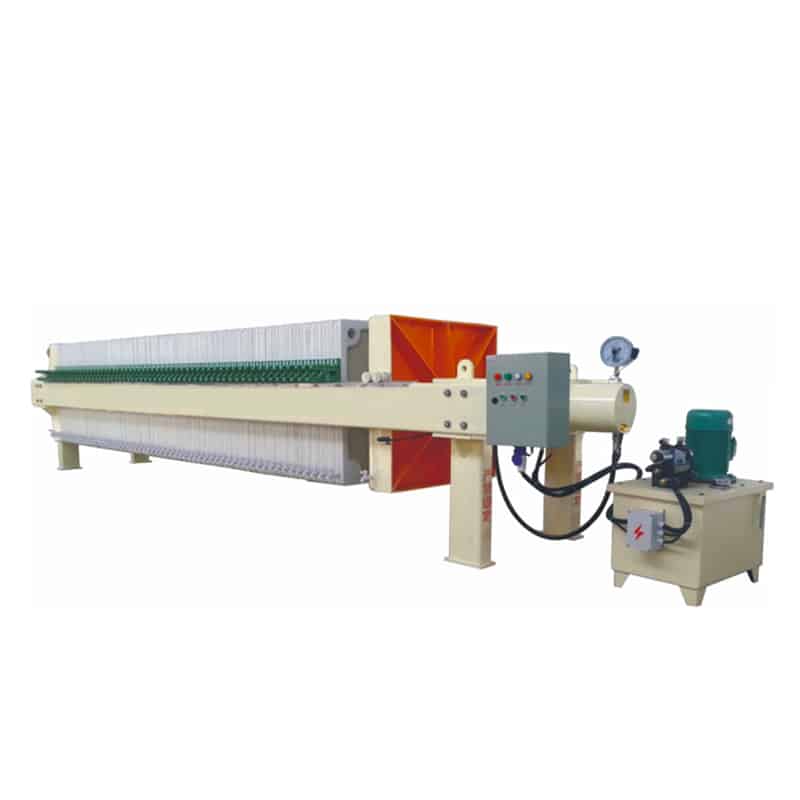
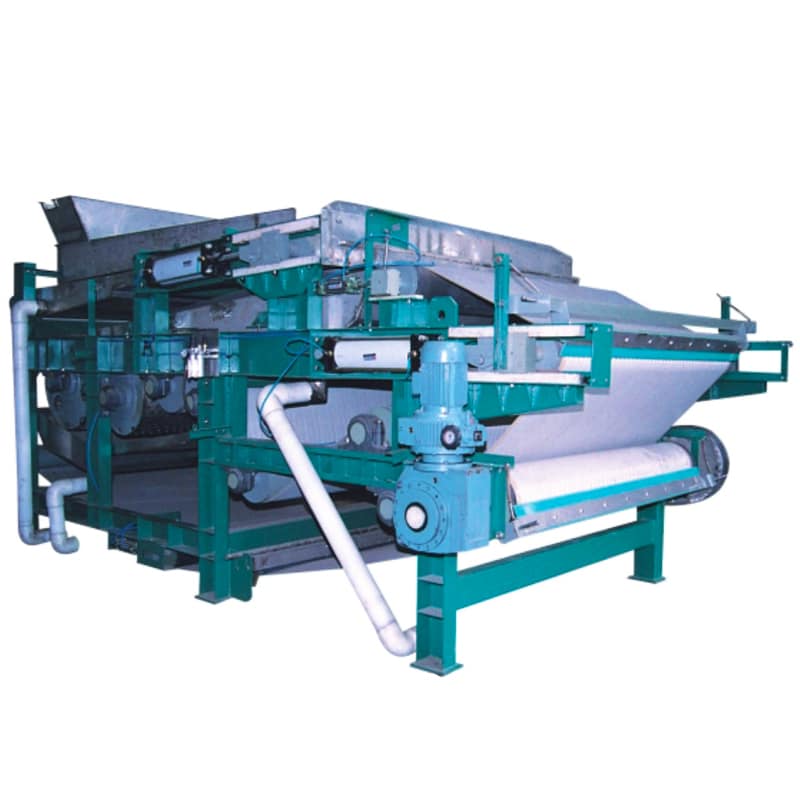
Dewatering Equipment
Includes belt filter presses, plate filter presses, and centrifuges.
Conveying Equipment
Includes screw conveyors, sludge belts, and compactors.
Summary
Surface water pollution control is a long-term and systematic endeavor that requires simultaneous advancement across multiple dimensions: source reduction, engineering remediation, ecological restoration, and continuous monitoring and management. Given the characteristics of surface water bodies—high openness, complex pollution sources, and significant influence from climate and seasonal factors—relying solely on a single technology or project often proves insufficient for achieving long-term, stable improvement. Therefore, practical remediation typically requires integrating multiple technical approaches, including solid-liquid separation, nutrient control, bioremediation, advanced treatment, and sludge management, to form a comprehensive integrated management system.
In the field of water treatment equipment and system solutions, KUOSI, a professional manufacturer, provides comprehensive solutions encompassing solid-liquid separation equipment, dissolved air flotation systems, sludge conveyance and treatment equipment, sludge scraping equipment, and supporting water treatment auxiliary systems. Contact us to customize these solutions for municipal and industrial water environment management projects, delivering stable and reliable technical support and equipment assurance.