
Many people will have the question, do the three mean the same thing: sewer, sewerage and sewage? Professionals know the difference and how they are used in commercial and residential services. Most of the waste produced by humans on a daily basis actually needs to be treated and recycled. Our daily activities of bathing, brushing our teeth, watering plants, eating and drinking, etc. all produce waste. The waste that goes into septic tanks is usually disposed of at a wastewater treatment plant. Next you will learn the difference between the three types of sewer, sewerage and sewage.
What is sewer?
The sewage produced by our life is discharged into the sewer through pipes, which can be understood as sewer.
From an engineering perspective, the choice of Sewer material is critical for long-term durability. Depending on the chemical composition of the waste, pipes are often constructed from HDPE (High-Density Polyethylene) for its superior chemical resistance, PVC for cost-effective residential drainage, or Ductile Iron for high-pressure industrial applications. Choosing the right “carrier” ensures the system remains leak-free and prevents groundwater contamination.
What Is sewage?
In earlier times, sewage was often discharged into rivers, lakes or oceans without water treatment, leaving the decomposition of human excrement to the ecosystem. Nowadays, the term “sewage” refers to the liquid or waste that is usually carried away by sewers.
Now, the word sewage is slowly being replaced by the word “wastewater“, which also means any water affected by human use, making the two words similar in manner. It can also be called domestic wastewater or municipal wastewater produced by a group of people.
Wastewater usually enters the sewer from a pipe, takes it elsewhere, or enters an on-site wastewater treatment facility. Whether or not it combines with surface runoff in the sewer depends on the design of the sewer.
What Is sewerage?
The term “sewerage” refers to the provision of drainage through a sewer. A sewerage is an infrastructure that uses sewers to convey stormwater, meltwater, rainwater, and other wastewater. It includes components such as receiving drains, manholes, pumping stations, stormwater overflows and screening chambers for combined sewers or domestic sewers.
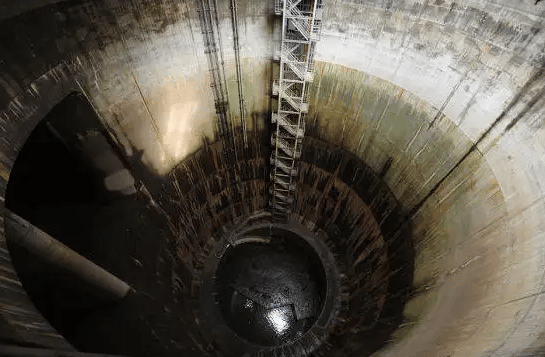
Sewage treatment opens an entrance to a sewage treatment plant or a point of recent discharge to the environment. It is a system of pipes, chambers, manholes, etc. to contain the effluent from the above waste producers.
Difference Between Sewer, Sewage and Sewerage
| Term | Definition | Role | Simple Explanation |
|---|---|---|---|
| Sewer | The physical pipeline or conduit | Carrier: transports wastewater | It is the “road” |
| Sewage | The actual wastewater or liquid waste | Medium: flows inside the pipe | It is the “car” |
| Sewerage | The entire drainage system including pipes, pumps, and treatment facilities | System: infrastructure framework | It is the “network” |
Table of The Difference Between Sewer, Sewage and Sewerage
Conclusion
Simply put, sewers are the pipe carriers that carry wastewater. Sewage is what flows through a sewer. A sewerage is a sewer system or the action of treating sewage.
Wastewater is the waste that people produce, and wastewater treatment systems are the structures that keep the wastewater in its “stomach”. We need to ensure that these two things are used properly in our lives, that the area is cleaned properly and that water-based waste is separated from solid waste (usually in the form of sludge) so that wastewater is more easily recycled.