
As water scarcity and regulations tighten, basic compliance is no longer enough. Conventional methods often fail to eliminate nutrients and micropollutants. Advanced Wastewater Treatment bridges this gap. By integrating precision chemical, physical, and membrane technologies, we transform effluent into a valuable resource—ensuring superior water quality, seamless reuse, and future-ready system reliability.
What Is Advanced Wastewater Treatment?
Advanced wastewater treatment refers to a series of processes applied after conventional primary and secondary treatment to further remove residual contaminants such as nutrients, fine suspended solids, dissolved organic matter, and pathogens.
Why is advanced wastewater treatment technology needed?
With the acceleration of industrialization and increasingly stringent emission standards, traditional wastewater treatment processes are no longer sufficient to meet current water quality requirements. Although conventional primary and secondary treatment can remove most suspended solids and organic matter, a significant amount of dissolved pollutants, nutrients, and micropollutants remain in the water.
These residues can cause a range of problems, such as:
- Causing water eutrophication (nitrogen, phosphorus)
- Impairing membrane system performance (e.g., RO fouling and scaling)
- Increasing the risks associated with reclaimed water
- Making it difficult to meet stringent discharge standards or reuse requirements
Key Technologies in Advanced Wastewater Treatment
Advanced wastewater treatment relies on a combination of physical, chemical, and biological processes to remove residual contaminants that cannot be eliminated through conventional treatment. These technologies work together to improve effluent quality and enable water reuse.
Filtration Technologies
Filtration is used to remove fine suspended solids and improve water clarity after secondary treatment.
Common types include:
- Sand filtration
- Multimedia filtration
- Activated carbon filtration
These systems are essential for reducing turbidity and preparing water for further treatment processes.
Membrane Technologies
Membrane processes provide a high level of purification by removing dissolved solids, microorganisms, and micropollutants.
Key technologies include:
- Chemical Dosing System
- DAF System
- Filtration System
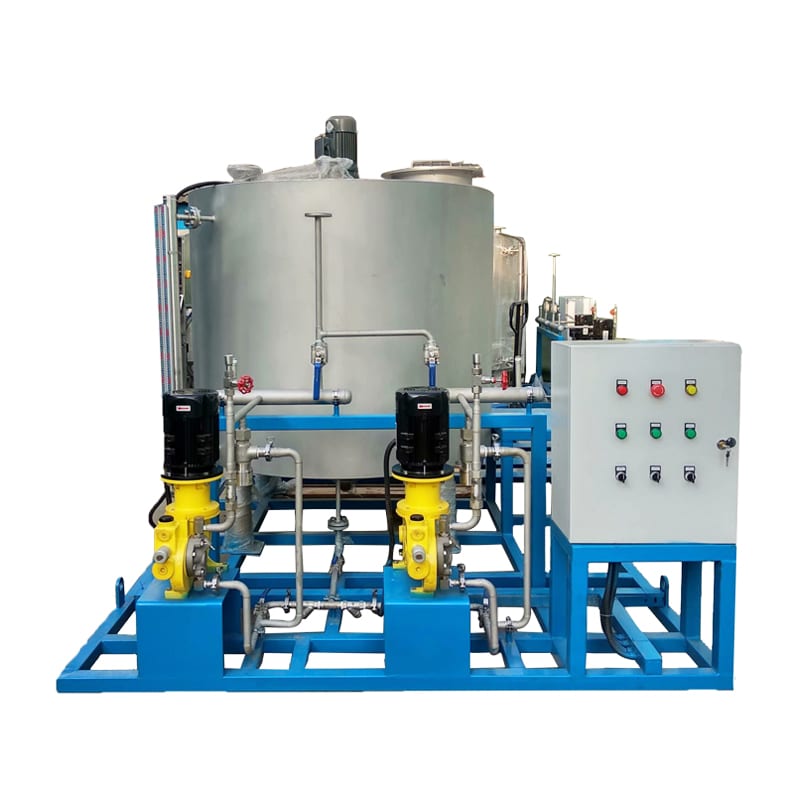
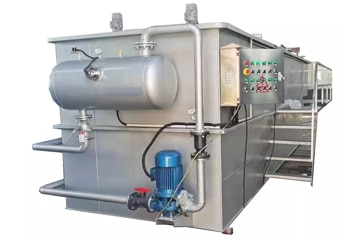
Proper pretreatment and SDI control are critical to ensure stable membrane performance.
Chemical Treatment
Chemical processes are widely used to remove nutrients and destabilize colloidal particles.
Typical applications include:
- Coagulation and flocculation
- Phosphorus removal
- Polymer Preparation System
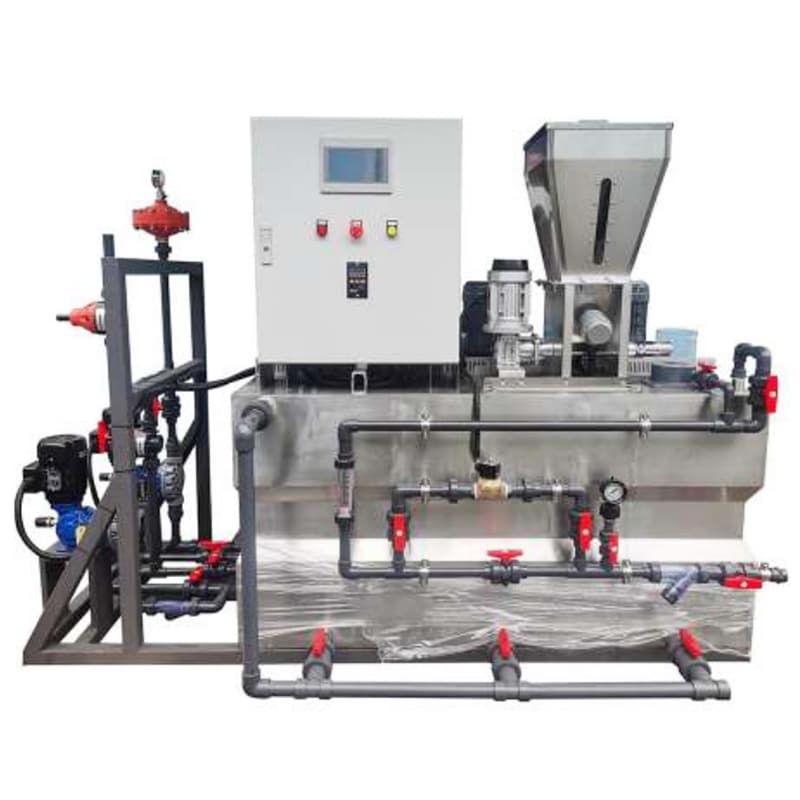
These processes enhance solid-liquid separation and improve overall treatment efficiency.
Advanced Oxidation Processes (AOP)
AOP technologies are used to degrade refractory organic pollutants that are difficult to remove by conventional methods.
Examples:
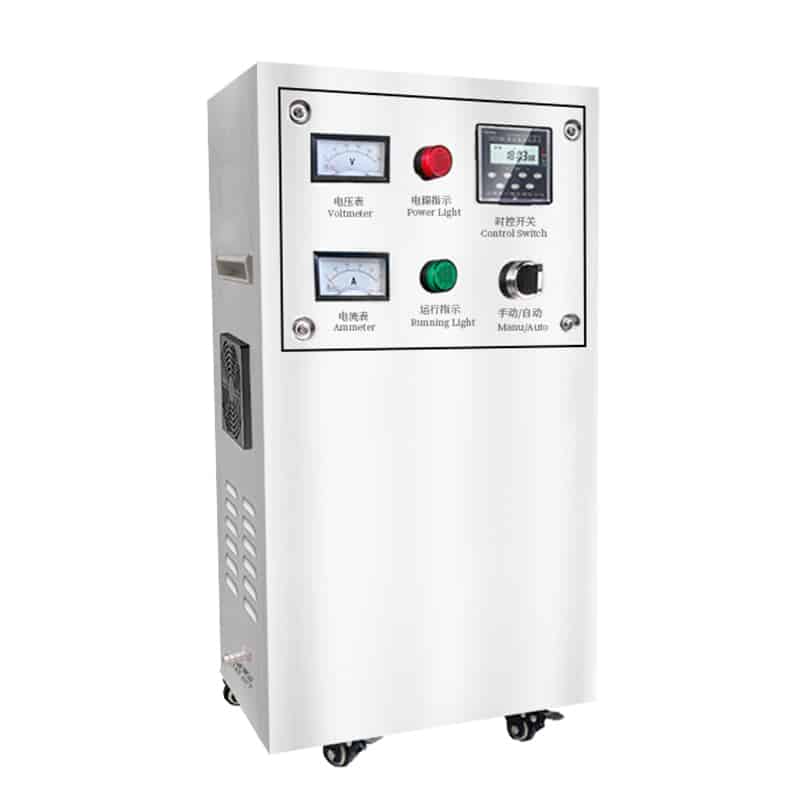
- Ozone (O₃)
- UV/H₂O₂
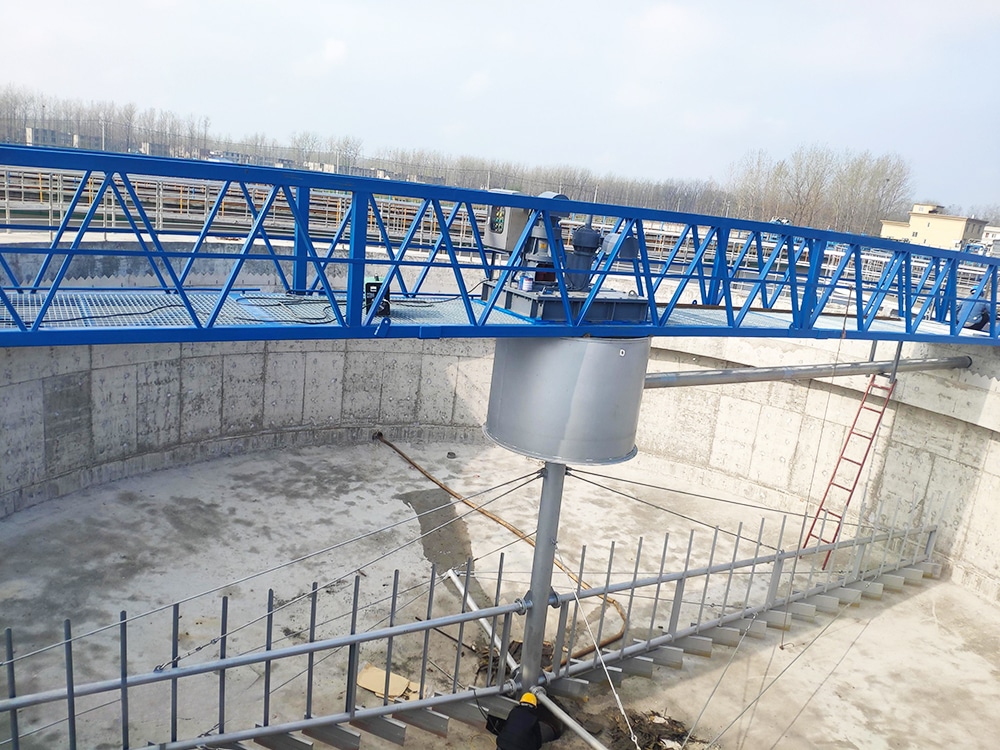
- Sludge Scraper
Disinfection
Disinfection is the final step to ensure microbiological safety of treated water.
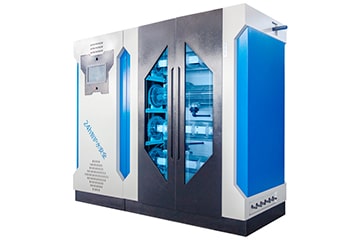
Common methods:
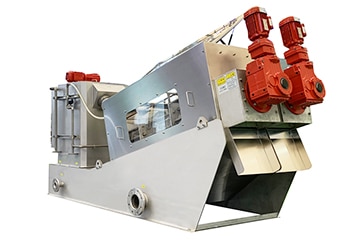
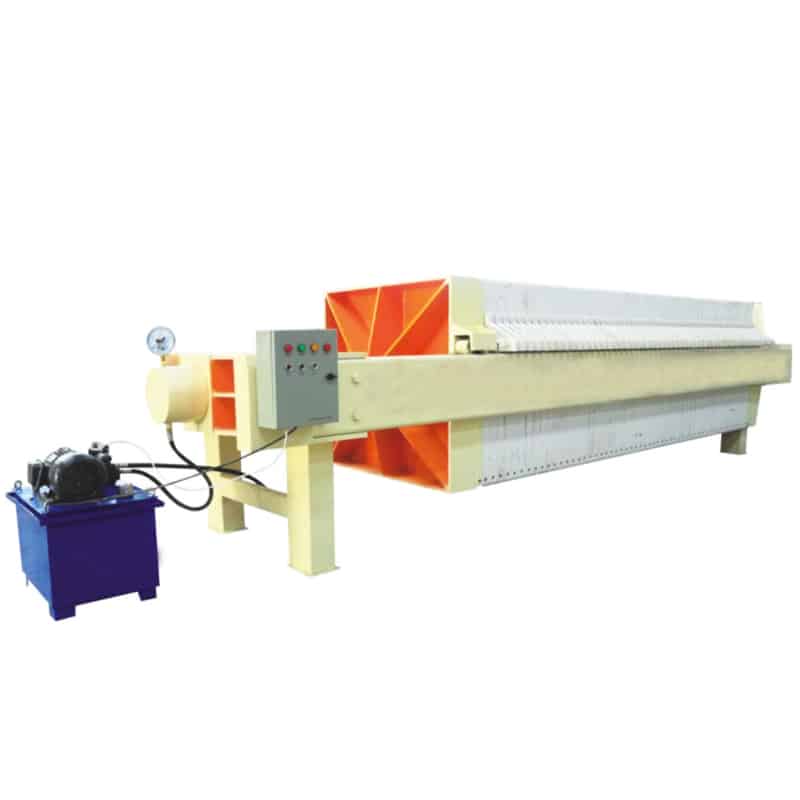
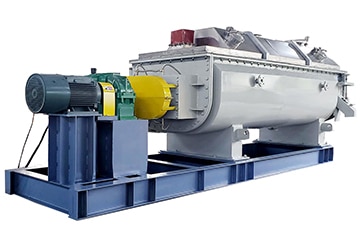
Sludge Treatment
Key Benefits of Advanced Wastewater Treatment
Advanced wastewater treatment offers significant advantages beyond conventional treatment processes. By removing residual contaminants and improving overall water quality, it supports both environmental protection and sustainable water management.
- Improved Effluent Quality
- Enables Water Reuse
- Reduces Environmental Impact
- Protects Downstream Systems
- Supports Sustainable Water Management
Conclusion
The performance of advanced treatment systems depends not only on individual technologies, but also on how they are combined and optimized as a whole. Efficient pretreatment, precise chemical dosing, reliable solid-liquid separation, and proper sludge management all play critical roles in maintaining system stability and reducing operational costs.
At KUOSI, we provide a comprehensive range of equipment solutions that support advanced wastewater treatment processes, including aeration blower, fine screen, grit classifier, and screening washer screw compactor. With a focus on practical engineering and application-based design, KUOSI helps customers build efficient, reliable, and scalable treatment systems tailored to their specific project needs.