Roots Blower

A Roots blower is a positive displacement rotary lobe blower. Two synchronized, counter-rotating lobed rotors carry air from the inlet to the outlet in pockets between the rotors and the casing. Timing gears keep the rotors synchronized, with small clearances between the rotors and the casing.

Roots blowers can be found anywhere air and gases need to be transported. This means in a large number of applications in industries such as food and beverage, chemicals, water, pulp and paper, mining, cement, power, metals and oil and gas.

Many industrial processes rely on air, such as combustion, vacuum, air separation, water aeration, pneumatic conveying, membrane cleaning or regeneration, to name but a few.


How does a roots blower work?

Air enters the inlet as the rotors turn. Each rotor traps a volume of air between its lobes and the casing and carries it toward the discharge port. The trapped pocket changes very little in volume during this part of the cycle.

When the trapped pocket opens to the discharge port, its pressure rises to match the higher pressure at the outlet. This is why a Roots blower is described as using external compression.

The required discharge pressure depends on downstream resistance, such as piping losses and the operating depth of aeration diffusers. Select the blower for the required airflow and pressure together.

Features

  1. Large range of air volume and pressure vacuum
  2. The exhaust gas does not contain oil
  3. Rotor balancing helps reduce vibration and noise.
  4. Stable air volume, Little influence of pressure change on air volume
  5. Special impeller design, high efficiency and energy saving
  6. Simple and solid structure, Trouble-free
  7. The use of primary grinding gear, high accuracy, long life, low noise
  8. Strict quality management and standardized products
  9. Precision impeller machining helps maintain accurate rotor profiles and operating clearances.
  10. Each blower can be equipped with a piston ring, so that the efficiency is higher and the life is longer

Applications

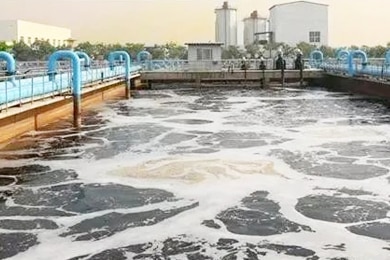
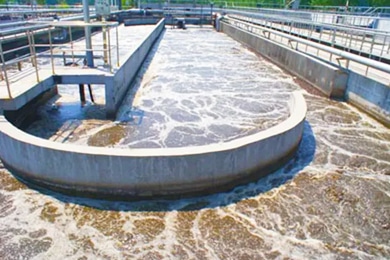
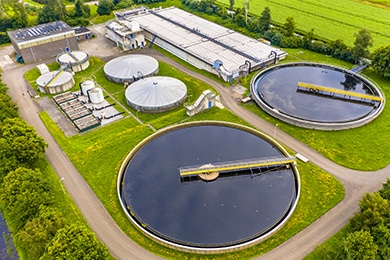
  • Wastewater treatment aeration
  • After combustion, dust treatment
  • Dust collecting device
  • Vacuum dewatering of dyeing, finishing and papermaking equipment
  • Desulfurization by exhaust smoke
  • Environmental regulation equipment
  • Exhaust and dry
  • Air transport
  • Special gas and granular transport
  • Aquaculture
  • Liquid stirring in the plating tank
  • Stir the liquid

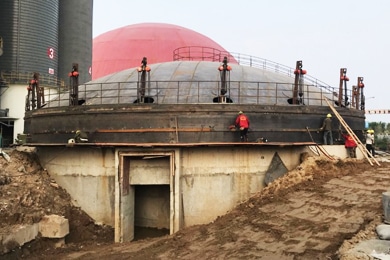
Customer site cases

KUOSI is a manufacturer and supplier of environmental three lobe roots air blower in China. We also supply submersible roots blowers, the device can be installed and used underwater to cope with specific environments. If you have any questions or needs regarding roots blowers, please contact us.

FAQ
Roots blower is used in many industries, among which the most common uses are: chemical smelting, sewage aeration, aquaculture, desulfurization and oxidation, powder transport and so on.

  1. Roots blower in the chemical industry
    Roots fan is widely used in the chemical industry. According to the different working conditions, it is widely used, such as conveying chemical raw materials, conveying reaction gas, aeration stirring, sewage treatment, ventilation and exhaust, gas pressurization, pulse dust removal and so on. It is often used in the pneumatic conveying performance of Roots fan.
  2. Roots blower in the sewage treatment industry
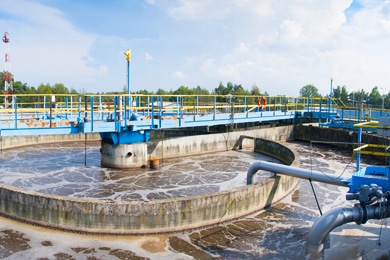
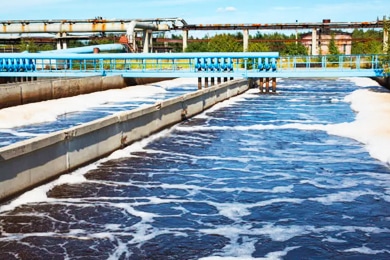
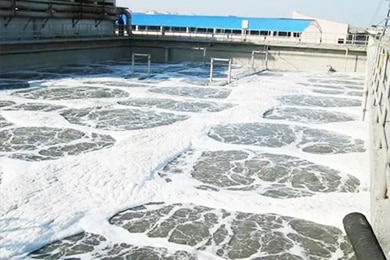
    In the sewage treatment industry, because the sewage tank needs to be pumped into oxygen for microbial oxidation and decomposition, in the sewage treatment industry, Roots fan can provide quantitative oxygen according to the different water depth and the different tonnage of water treatment, to promote the oxidation and decomposition of microorganisms.

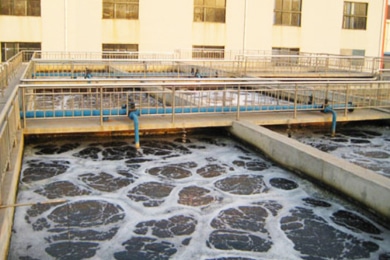
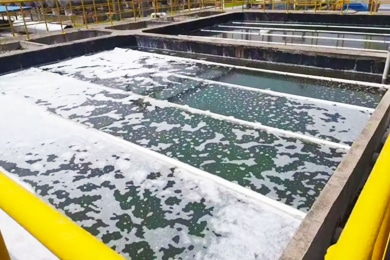
In aerobic wastewater treatment, a Roots blower supplies air to diffusers. Oxygen from the air supports biological treatment, while the airflow helps mix the tank. The required airflow depends on the treatment process, oxygen demand and diffuser system.

  1. Roots blower in aquaculture industry use
    There are great differences in the aquaculture industry, and Roots fan is mostly used for industrial aquaculture. For enterprises with large aquaculture area, industrial aquaculture arranges aeration tray at the bottom of the pool. After connecting the Roots fan, oxygen will be constantly supplied to the pool to improve the oxygen content of the pool.
  2. Use of Roots blower in desulfurization and oxidation
    In the desulfurization and oxidation of thermal power plants need to desulfurization of soot gas, desulfurization is operated according to the chemical method, the content of sulfur dioxide in the flue gas after the chemical reaction will be greatly reduced to meet the emission standards. In this chemical reaction process, sulfur dioxide turns into crystal and crystallizes, which requires oxygen oxidation, so Roots wind will be used to provide enough oxygen to ensure the efficient operation of the chemical reaction.
  3. The use of Roots blower in powder conveying
    Roots fan itself can not transport gas containing a large number of media, can only transport clean air, in powder transport, mainly plays the role of providing pneumatic kinetic energy, will be required to transport powder.

The name comes from the Roots brothers, who developed the rotary lobe blower. Roots-type blowers use timed lobed rotors to move air in repeated pockets.

Roots and screw blowers are both positive displacement machines. Their main difference is how the air is compressed.

A Roots blower transports air in pockets of nearly constant volume. The pressure rises when each pocket meets the higher pressure at the discharge port. Actual airflow depends on speed and operating conditions, including leakage across the rotor clearances.

In a screw blower, the space between the helical rotors becomes smaller as the air moves toward the outlet. This compresses the air inside the blower. Compare power, noise and performance at the same duty point when selecting a blower.

A Roots blower uses two synchronized lobed rotors to move air in pockets from the inlet to the outlet. It is suitable for low-pressure air service such as aeration and pneumatic conveying. Select a model rated for the required airflow, pressure and operating conditions.

Discharge air can be warmer than inlet air. The temperature rise depends on the pressure differential, inlet temperature and operating conditions. Check the model’s discharge-temperature limits and any downstream cooling requirements.

Product categories

Popular articles

Types of Wastewater

Types of Wastewater

Wastewater is any used water, originating from individuals, businesses, agriculture…